
Abrasive Finishing Disc Buying Guide for Dental Clinics
Master the selection of dental finishing discs with this practical guide covering grits, materials, and clinical applications for Pakistani dental practices.
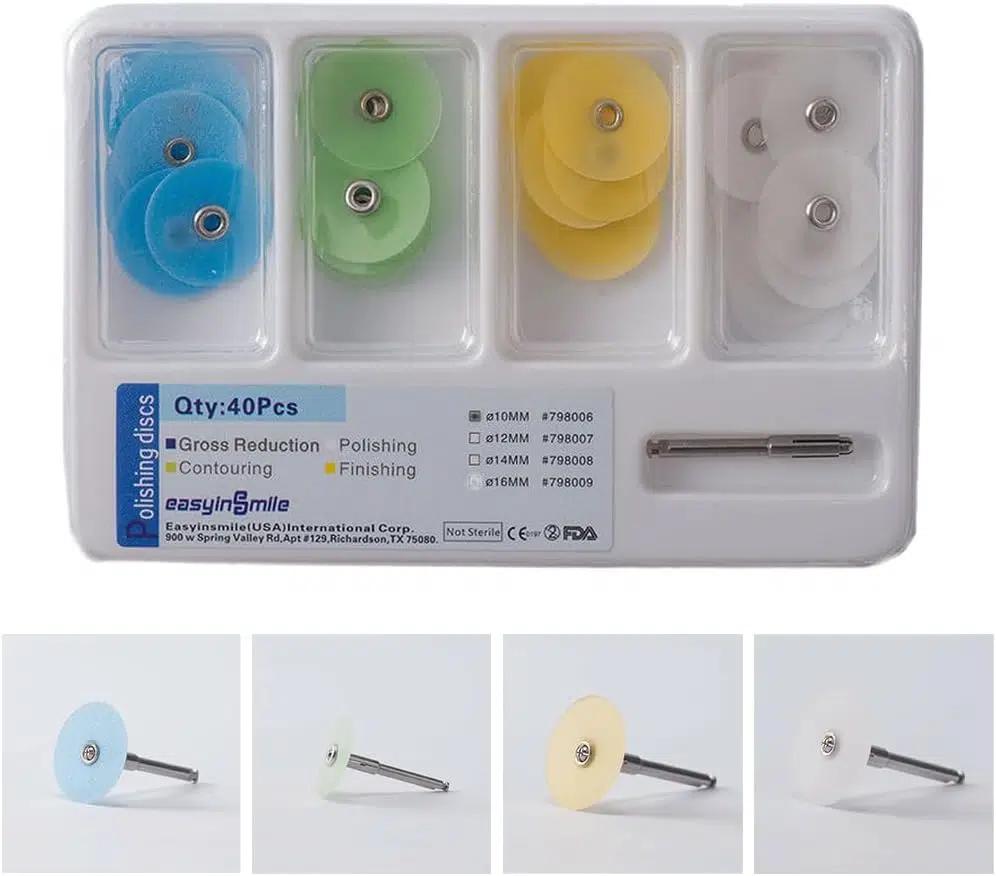
Table of Contents
- Understanding Disc Materials and Structures
- Backing Material Types
- Abrasive Particle Composition
- Grit Sizes and Clinical Applications
- Coarse and Medium Grits for Contouring
- Fine and Super-Fine Grits for High Gloss
- How to Choose the Right Abrasive Finishing Disc
- Evaluating Mandrel Compatibility
- Diameter and Flexibility Considerations
- Price in Pakistan and Market Dynamics
- Pricing Structure and Quality Tiers
- What Drives Cost Variations?
- Frequently Asked Questions
- Can abrasive finishing discs be autoclaved and reused?
- What is the best way to prevent gouging the gingiva during finishing?
- Do I need a water spray when using aluminum oxide discs?
- How do I remove stubborn resin residue left on instruments after polishing?
Welcome to our comprehensive abrasive finishing disc buying guide, designed specifically for dental practitioners, clinic owners, and laboratory technicians across Pakistan. Achieving optimal restoration margins and high-gloss surfaces is a daily clinical challenge. Whether you are contouring direct composite resin restorations, smoothing glass-ionomer cements, or adjusting provisional crowns, having the right finishing and polishing system dictates the final clinical outcome. Selecting the correct disc prevents micro-leakage, reduces plaque accumulation, and ensures patient comfort by eliminating rough edges that irritate the tongue and gingiva. In this guide, we break down everything you need to know about selecting, utilizing, and sourcing high-performing finishing discs for your practice.
Understanding Disc Materials and Structures
Backing Material Types
Dental finishing discs typically utilize flexible polyester, paper, or metal backings. Polyester-backed discs are the gold standard in modern clinics due to their superior tear resistance, water resistance, and flexibility around complex anatomical contours. Paper-backed variants, while cost-effective, tend to degrade rapidly when exposed to a moist oral environment or water coolant sprays. For heavy ceramic or metal adjustments, specialized thin metal strips and discs provide rigidity, but for resin work, flexibility remains paramount.
Abrasive Particle Composition
Aluminum oxide and silicon carbide are the two primary abrasive agents coated onto dental finishing discs. Aluminum oxide is widely preferred for resin composites because it does not discolor the restorative material and cleanly shears away surface irregularities rather than gouging them. Coarse grits rapidly reduce excess material at the margins, while ultra-fine grits achieve a mirror-like luster. When managing metallic restorations or old amalgam fillings, you might also utilize components found in specialized Polishing Kits Dental Amalgam to transition smoothly from contouring to final sheen.
Grit Sizes and Clinical Applications
Coarse and Medium Grits for Contouring
Coarse and medium abrasive discs are engineered for aggressive material removal, primary contouring, and defining interproximal and facial line angles. When placing anterior composites, initial shaping requires careful control to avoid damaging adjacent enamel. Clinicians often pair these discs with diagnostic tools such as a Dental Fox Plane during larger smile design procedures to ensure proper occlusal plane orientation and aesthetic symmetry before final polishing begins.
Fine and Super-Fine Grits for High Gloss
Once the anatomical shape is established, fine and super-fine discs remove microscopic scratches left by coarser predecessors. It is crucial to progress sequentially through the grit hierarchy—skipping steps often leads to a dull, hazy finish that collects stains over time. For patients undergoing comprehensive smile makeovers, matching these refined surfaces with accurate color assessment tools like an Acrylic Shade Guide guarantees that the final restoration blends seamlessly into the natural dentition.
How to Choose the Right Abrasive Finishing Disc
Evaluating Mandrel Compatibility
Selecting the ideal Abrasive Finishing Disc requires evaluating how it connects to your low-handpiece system. Most modern discs utilize either a snap-on metal/plastic center or a screw-type mandrel system. Screw-type mandrels require the abrasive coating to be carefully oriented to avoid exposing the metal screw head, which can inadvertently gouge the restoration surface. Snap-on systems offer rapid disc changes and recessed metal centers that protect the restorative interface from accidental scratching.
Diameter and Flexibility Considerations
Discs are typically manufactured in varying diameters, usually ranging from 8mm to 14mm. Smaller diameters excel in tight interproximal spaces and subgingival margin finishing, while larger diameters cover broad facial surfaces efficiently. Furthermore, consider flexibility: super-thin, flexible discs bend around line angles without fracturing, making them indispensable for class III, IV, and V restorations where preserving delicate enamel morphology is critical.
Price in Pakistan and Market Dynamics
Pricing Structure and Quality Tiers
In the Pakistani dental market, the cost of finishing discs varies based on brand origin, packaging quantity, and mandrel inclusion. Economy packs imported from regional manufacturers offer budget-friendly solutions for high-volume dental schools and busy clinics. Premium imported brands from Europe, Japan, and the United States command higher prices due to precision manufacturing, superior tear-resistant backing films, and consistent abrasive particle distribution that prevents premature shedding.
What Drives Cost Variations?
Several factors influence the retail price of an Abrasive Finishing Disc in local dental supply stores. Sterilizability, packaging size (refills versus complete kit assortments containing mandrels), and the inclusion of specialized dispensing cases all impact the final investment. As highlighted in discussions regarding foundational clinic workflows, such as Plaster Mixing Spatula Uses in Modern Dental Practice, investing in reliable, high-grade clinic consumables ultimately saves chair time and reduces the need for costly restoration replacements down the road.
Frequently Asked Questions
Can abrasive finishing discs be autoclaved and reused?
Most standard polyester and paper-backed finishing discs are single-use disposable items that lose their abrasive coating or warp during heat sterilization. Reusing them compromises cutting efficiency and increases the risk of cross-contamination between patients. Always follow the manufacturer's guidelines regarding single-patient use.
What is the best way to prevent gouging the gingiva during finishing?
To protect soft tissues, use a low-speed handpiece with adequate water spray and maintain a light, intermittent touch. Working away from the free gingival margin or utilizing protective plastic wedges and specialized retractors like Mouth Props helps keep the operational field visible and safe.
Do I need a water spray when using aluminum oxide discs?
While some dry-use discs exist, utilizing a light water spray or air-water mist prevents frictional heat buildup that can pulpally irritate the tooth or distort composite resins. It also washes away debris, allowing you to continually assess your finishing progress without obstruction.
How do I remove stubborn resin residue left on instruments after polishing?
Resin residue and adhesive remnants can be gently cleaned off hand instruments using a dedicated composite instrument cleaner or clinical solvent. For cleaning up other dental materials or adhesive spills in the operatory, clinicians frequently keep a bottle of GP Solvent on hand as part of their routine endodontic and restorative cleanup protocol.
References
- Oral Health - Colgate — Colgate
- ADA.org - American Dental Association — American Dental Association
- PubMed Central — NCBI