
Plaster Mixing Spatula Uses in Modern Dental Practice
Discover the essential plaster mixing spatula uses in modern dental clinics and laboratories, from accurate stone models to flawless custom trays.
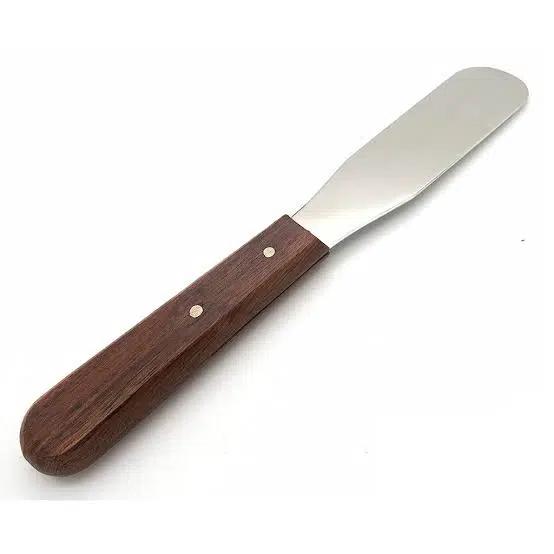
Table of Contents
- Core Applications in Clinical and Laboratory Settings
- Pouring Diagnostic Casts and Study Models
- Fabricating Custom Trays and Baseplates
- Mounting Articulator Cases
- Design Variations and Ergonomics
- Blade Shapes: Straight Versus Offset
- Handle Materials: Wood, Plastic, and Stainless Steel
- Maintenance, Sterilization, and Longevity
- Immediate Cleaning Protocols
- Sterilization and Storage
- How to Choose the Right Spatula for Your Practice
- Assessing Material Quality and Rigidity
- Ergonomic Comfort and Daily Workflow
- Price in Pakistan
- Frequently Asked Questions
- Can a plaster mixing spatula be autoclaved?
- What is the difference between a plaster spatula and an alginate spatula?
- How do I remove set plaster stuck to the blade?
- Are offset handles better than straight handles?
Understanding the diverse plaster mixing spatula uses in a modern dental clinic or laboratory is essential for achieving consistent, bubble-free models, casts, and impressions. While it may look like a simple hand instrument, this tool is fundamental to daily prosthodontic, orthodontic, and general restorative workflows. Whether you are pouring a diagnostic cast or preparing mounting plaster, the quality of your mix depends heavily on the instrument in your hand. In this comprehensive guide, we examine the primary applications, material variations, maintenance routines, and procurement considerations for dental practices across Pakistan. By exploring how this everyday instrument impacts your clinical efficiency, you can better appreciate why keeping a reliable Plaster Mixing Spatula on hand is non-negotiable for any busy operatory or lab bench.
Core Applications in Clinical and Laboratory Settings
The primary plaster mixing spatula uses extend across several distinct phases of clinical practice and dental laboratory fabrication. Achieving homogeneity in gypsum products is an art and a science, requiring an instrument that can press, scrape, and blend powders and liquids without trapping air.
Pouring Diagnostic Casts and Study Models
When working with alginate or silicone impressions, the accuracy of the resulting master cast relies directly on how well the dental stone or plaster is mixed. The broad, flat blade of the spatula allows technicians and assistants to aggressively press the mix against the sides of a flexible rubber bowl, eliminating dry pockets. A uniform slurry flows smoothly into impression details, preventing voids in critical areas like crown margins and undercuts.
Fabricating Custom Trays and Baseplates
For removable prosthodontics, laboratory technicians use specialized acrylics and hard plaster mixes to build custom impression trays and bite blocks. The rigid edge of a standard Plaster Mixing Spatula provides the mechanical leverage needed to handle viscous, quick-setting materials before they cure. This ensures that the baseplates remain structurally sound and dimensionally stable during subsequent clinical procedures.
Mounting Articulator Cases
Accurate articulation requires mounting plaster that sets predictably without volumetric distortion. Clinicians use the mixing instrument to transfer and shape mounting plaster onto the base of split-cast models and the mechanical arms of semi-adjustable articulators. Precise placement minimizes occlusal errors and ensures the laboratory technician can verify intercuspation without guesswork.
Design Variations and Ergonomics
Not all mixing instruments are created equal; subtle differences in blade geometry and handle construction dictate how comfortable and efficient the tool is during a long workday.
Blade Shapes: Straight Versus Offset
Traditional designs feature a straight blade that aligns with the long axis of the handle, offering direct pushing force against the mixing bowl walls. Offset or angled blades, on the other hand, keep the user's knuckles clear of the bowl rim, reducing hand fatigue during high-volume casting sessions. The choice between straight and offset usually comes down to personal preference and the depth of the rubber bowls used in your clinic.
Handle Materials: Wood, Plastic, and Stainless Steel
Wooden handles offer a traditional, lightweight feel but can degrade over time if subjected to repeated chemical disinfection and autoclave cycles. Modern stainless steel blades permanently bonded to medical-grade plastic or fully metallic handles provide superior durability, corrosion resistance, and easy sterilization. A secure, non-slip grip is vital, especially when your gloves are wet or coated with plaster residue.
Maintenance, Sterilization, and Longevity
Proper care ensures your mixing instruments remain functional and visually professional for years. Gypsum materials can set hard on metal surfaces if left unwashed, pitting the steel and creating rough spots that trap bacteria.
Immediate Cleaning Protocols
Assistant staff should rinse and scrub the spatula immediately after use while the gypsum is still in a semi-set or soft state. Allowing plaster or stone to cure fully on the blade requires mechanical scraping that can scratch the metal finish. Ultrasonic cleaning baths can also help dislodge stubborn residue from textured handles or junction points.
Sterilization and Storage
Because these tools do not enter the sterile oral cavity, intermediate-level disinfection is typically sufficient between uses, though stainless steel variants can withstand full autoclaving if your clinic protocol requires it. Store them dry in dedicated instrument drawers alongside other heavy-duty mixing accessories. For complementary clinical organization, keep your workspace well-equipped with Aspirating Syringe setups and Dental Photography Cheek Retractors neatly arranged in nearby cabinetry.
How to Choose the Right Spatula for Your Practice
Selecting the ideal instrument involves evaluating several practical criteria to match your specific clinical or laboratory volume.
Assessing Material Quality and Rigidity
Look for heavy-gauge stainless steel that resists bending under pressure. A flimsy blade will flex when you mix thick stone ratios, leading to uneven blending and premature metal fatigue. The weld or joint connecting the blade to the handle must be seamless to prevent moisture ingress and rust formation.
Ergonomic Comfort and Daily Workflow
Evaluate the weight distribution of the tool. A well-balanced instrument reduces wrist strain, which is particularly important in busy dental labs that pour dozens of models daily. Furthermore, consider stocking a variety of tools to support comprehensive patient care, ensuring you have items like an Interdental Brush for preventative hygiene kits, X-Ray Sensor Sleeves for digital imaging safety, and an Infrared Thermal Gun for general facility monitoring readily available.
Price in Pakistan
When purchasing dental equipment through local online marketplaces, understanding market dynamics helps you secure the best value. The price of a plaster mixing spatula in Pakistan typically falls within an accessible, low-to-moderate budget tier. However, exact costs vary based on several key factors:
- Material Composition: Fully forged stainless steel instruments command a slightly higher price than models featuring wooden handles or lightweight stamped metal.
- Brand Origin: Imported German-standard or Japanese-grade stainless steel instruments are priced higher due to superior corrosion resistance and longevity, whereas locally manufactured or economic imported alternatives offer budget-friendly entry points for startup clinics.
- Supplier and Bulk Orders: Purchasing through dedicated dental supply platforms often unlocks tiered wholesale pricing for academic institutions and commercial laboratories.
For a deeper dive into refining dental surfaces during crown and bridge work, you can also review our detailed guide on Abrasive Finishing Disc: How to Choose the Right One to optimize your finishing protocols.
Frequently Asked Questions
Can a plaster mixing spatula be autoclaved?
Most stainless steel spatulas with metal or high-temperature plastic handles can be safely autoclaved repeatedly. However, instruments with traditional wooden handles should not undergo steam sterilization, as the wood will warp and crack over time.
What is the difference between a plaster spatula and an alginate spatula?
Plaster spatulas generally feature a stiffer, more rigid metal blade designed to cut through dense gypsum mixes. Alginate spatulas often feature wider, more flexible plastic or stainless steel blades designed to smooth creamy hydrocolloid materials against rubber bowl walls.
How do I remove set plaster stuck to the blade?
If plaster cures on the blade, soak the instrument in a commercial dental plaster remover or a warm water and vinegar solution to soften the gypsum. Gently wipe away the loosened residue with a soft brush, avoiding abrasive metal scrapers that scratch the finish.
Are offset handles better than straight handles?
Offset handles provide better clearance for your knuckles, preventing your hand from hitting the rim of deep mixing bowls. This design significantly reduces wrist fatigue during high-volume daily model preparation.
References
- PubMed Central — National Center for Biotechnology Information
- Centers for Disease Control and Prevention — CDC
- American Dental Association — ADA