
Polishing Brushes Buying Guide for Pakistani Clinics
Discover how to choose the right dental polishing brushes for your clinic or lab with this comprehensive buyer's guide.
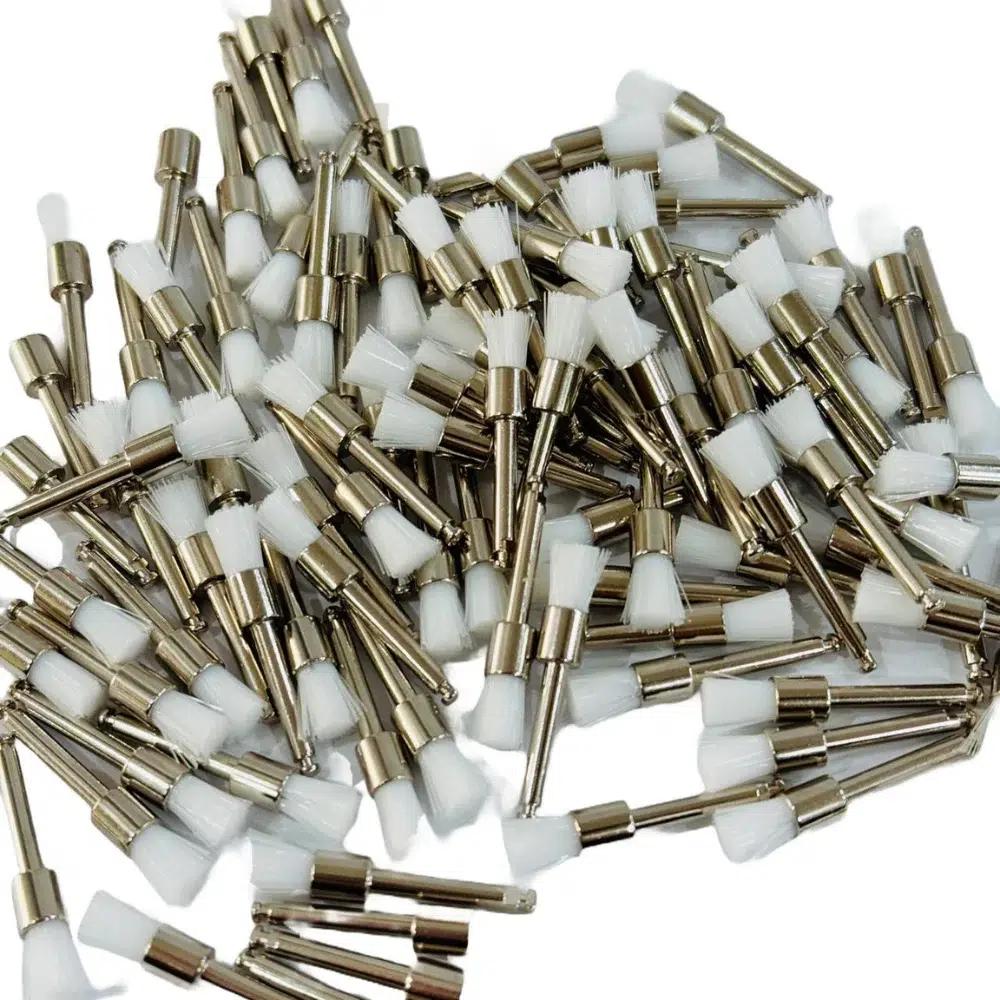
Table of Contents
- Types of Dental Polishing Brushes
- Natural Bristle vs. Synthetic Fibers
- Cup, Wheel, and Point Configurations
- Bristle Stiffness and Shank Compatibility
- Soft, Medium, and Stiff Grades
- RA, HP, and FG Shank Types
- How to Choose Polishing Brushes
- Assessing Your Procedural Workflow
- Evaluating Sterilization and Durability
- Price in Pakistan
- Cost Drivers for Dental Brushes
- Frequently Asked Questions
- Can dental polishing brushes be autoclaved?
- What is the difference between cup and wheel brushes?
- How often should polishing brushes be replaced?
- Do these brushes require specialized polishing pastes?
Welcome to the ultimate polishing brushes buying guide, designed to help dental professionals and laboratory technicians across Pakistan select the most effective rotary instruments for chairside finishing and lab work. Achieving a smooth, high-luster surface on composite restorations, acrylic dentures, and precious metal alloys relies heavily on the quality and configuration of your finishing tools. Whether you are outfitting a newly established clinic in Lahore or restocking a bustling dental laboratory in Karachi, understanding the nuances of bristle materials, shank types, and cup designs is vital for consistent clinical outcomes. Selecting substandard rotary tools can lead to uneven surfaces, excessive friction, and premature wear, costing both time and clinical materials.
In modern dental practice, the final polishing stage dictates the longevity and aesthetic appeal of restorations. Rough surfaces not only trap plaque and stain easily but can also cause patient discomfort and soft tissue irritation. By investing in reliable consumables such as professional-grade Polishing Brushes, practitioners can dramatically improve their workflow efficiency. Beyond surface finishing, a comprehensive clinic setup requires a range of complementary items, from everyday restorative consumables like Bonding Agent Dental Adhesive for secure composite placements to specialized protective materials such as Zinc oxide eugenol – Biocompatible Dental Pulp Protection for dependable pulp capping and temporary seating. Furthermore, managing orthodontic workflows often involves applying a Lingual Retainer Wire | Orthodontic Dental Retention Wire alongside protective accessories like a Dental Bracket Cover during active treatment phases, while clinical case documentation is streamlined using Dental Photography Cheek Retractors.
Types of Dental Polishing Brushes
Dental polishing brushes are categorized primarily by their bristle composition, shape, and intended application. Knowing the structural differences helps clinicians pair the correct accessory with the appropriate polishing paste or pumice.
Natural Bristle vs. Synthetic Fibers
Natural bristles, typically crafted from goat hair or hog bristle, are exceptionally soft and flexible. They excel at holding polishing pastes, pumice, or diamond compounds without flinging them across the operatory. Synthetic fibers, such as nylon, offer greater stiffness and durability. Nylon brushes resist moisture degradation better than natural hair, making them suitable for aggressive cleaning cycles and autoclaving, though they may require more control to prevent paste splattering.
Cup, Wheel, and Point Configurations
Brushes come in various geometric configurations to navigate complex anatomical contours. Cup-shaped brushes conform neatly to rounded cusps, buccal surfaces, and lingual concavities. Wheel-shaped brushes are ideal for broad, flat surfaces and interproximal embrasures, while pointed flame or cone brushes reach deep into pits, fissures, and narrow embrasure spaces on both anterior and posterior restorations.
Bristle Stiffness and Shank Compatibility
Choosing the correct stiffness and ensuring proper handpiece compatibility are critical steps for safe, efficient operation.
Soft, Medium, and Stiff Grades
Soft brushes are designed for final high-luster polishing on composite resins, ceramics, and delicate aesthetic surfaces where scratching must be avoided. Medium brushes handle routine amalgam finishing and initial acrylic smoothing. Stiff brushes are reserved for dental laboratory procedures, such as cutting down heavy acrylic flash on denture bases, removing stubborn investment materials, and scrubbing metal frameworks prior to final glazing.
RA, HP, and FG Shank Types
Rotary instrument shanks must match your handpiece motor. Right Angle (RA) shanks feature a latch-type design meant for contra-angle slow-speed handpieces used chairside. Handpiece (HP) shanks are longer and thicker, engineered specifically for laboratory micromotors and bench lathes. Friction Grip (FG) shanks are less common for brushes due to high rotational speeds but exist for specific high-speed applications.
How to Choose Polishing Brushes
Selecting the right supplies for your practice requires balancing clinical requirements, procedural frequency, and equipment compatibility.
Assessing Your Procedural Workflow
Begin by evaluating whether your primary focus is chairside restorative dentistry or laboratory-based prosthetics. Chairside workflows demand gentle, autoclavable or single-use RA brushes that pair seamlessly with microfilled composites and porcelain veneers. Conversely, lab environments require heavy-duty HP brushes capable of withstanding prolonged friction against hard acrylics and cobalt-chromium alloys. For supplementary finishing options, you can also explore insights from our Abrasive Finishing Disc Price in Pakistan: Clinic Buyer Guide to round out your finishing toolkit.
Evaluating Sterilization and Durability
Consider whether your clinic utilizes single-use disposable items or reusable, autoclavable rotary instruments. High-quality metal-stemmed brushes withstand repeated steam sterilization cycles without shedding bristles or corroding at the base. Always verify manufacturer specifications regarding autoclave temperatures to prevent adhesive breakdown inside the metal ferrule.
Price in Pakistan
Dental supply pricing in Pakistan varies based on material origin, pack size, and brand reputation. Premium imported German or Japanese polishing brushes generally command higher price points due to superior metal metallurgy, secure bristle crimping, and consistent performance across multiple sterilization cycles. Local or budget-friendly regional imports offer cost-effective alternatives for high-volume clinics, though they may exhibit faster bristle wear or shedding.
Cost Drivers for Dental Brushes
- Bristle Material: Natural fibers like graded goat hair often cost slightly more than standard nylon alternatives due to harvesting and sorting labor.
- Ferrule Construction: Stainless steel or nickel-plated brass ferrules prevent rust and secure bristles under high RPMs, increasing the overall cost relative to cheap aluminum variants.
- Packaging Quantity: Bulk packs of 50 to 100 units reduce the per-unit cost significantly compared to blister packs of small quantities.
Frequently Asked Questions
Can dental polishing brushes be autoclaved?
Most high-grade metal-shank polishing brushes can be safely steam autoclaved between patients, provided the manufacturer specifies heat tolerance. Always inspect the ferrule and bristles for wear after sterilization cycles to prevent fiber shedding during clinical use.
What is the difference between cup and wheel brushes?
Cup brushes feature a concave, rounded profile that adapts closely to anatomical contours like facial surfaces and cuspal inclines. Wheel brushes have a flat, rotating edge ideal for broader surfaces, embrasures, and straight-line finishing.
How often should polishing brushes be replaced?
Brushes should be discarded immediately if bristles splay outwards, break off, or lose their abrasive retention capacity. In high-volume clinics, daily disposal of single-use variants or weekly rotation of reusable brushes ensures optimal finishing results.
Do these brushes require specialized polishing pastes?
While they can be used dry for light cleaning, optimal high-luster results require pairing them with a compatible polishing paste, pumice slurry, or diamond paste. The bristles act as a carrier to hold the paste against the restorative surface during rotation.
References
- Dental Composite Resins — PubMed Central
- Oral Health Topics — American Dental Association
- Dental Procedures and Techniques — Mayo Clinic