
Abrasive Finishing Disc Price in Pakistan: Clinic Buyer Guide
Explore abrasive finishing disc price in pakistan, factors affecting costs, and tips for choosing quality materials for your dental clinic.
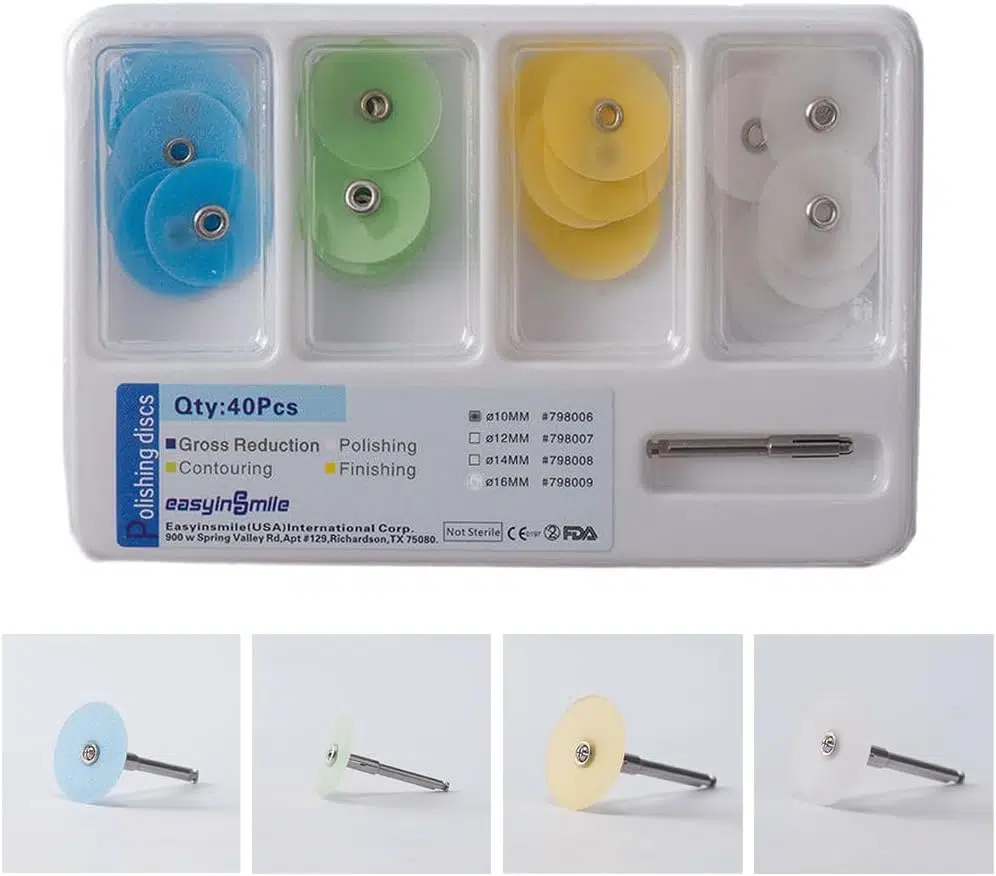
Table of Contents
- Understanding Abrasive Finishing Discs
- Construction and Grit Variations
- Clinical Applications in Restorative Dentistry
- How to Choose the Right Abrasive Finishing Disc
- Flexibility and Backing Material
- Mandrel Compatibility and Safety
- Expanding Your Finishing and Polishing Workflow
- Abrasive Finishing Disc Price in Pakistan
- What Drives Price Variations?
- Budgeting for Your Practice
- Essential Supplementary Clinic Materials
- Patient Comfort and Retraction
- Endodontic and General Operatory Support
- Frequently Asked Questions
- How many times can a single abrasive finishing disc be used?
- Are abrasive finishing discs safe for adjacent teeth?
- What is the difference between aluminum oxide and silicon carbide discs?
- How should abrasive finishing discs be stored in the clinic?
Navigating the procurement of reliable rotary instruments is a daily priority for dental practitioners across the country, especially when evaluating the abrasive finishing disc price in pakistan for clinic budgeting. Whether you operate a bustling urban practice in Lahore or a specialized restorative clinic in Islamabad, having immediate access to consistent finishing materials dictates the final aesthetic and functional success of composite restorations. Achieving a smooth, highly polished margin requires precision tools that minimize heat generation while effectively contouring interproximal and facial surfaces. This guide breaks down everything a clinician or dental lab technician needs to know about selecting, sourcing, and budgeting for these essential consumables.
Understanding Abrasive Finishing Discs
Abrasive finishing discs are flexible, coated paper, plastic, or mylar circles impregnated with abrasive particles such as aluminum oxide, silicon carbide, or diamond dust. They are mounted on a mandrel attached to a slow-speed handpiece. Their primary function is the systematic reduction, contouring, smoothing, and initial polishing of direct restorative materials, particularly resin composites, glass ionomers, and resin-modified ceramics.
Construction and Grit Variations
Manufacturers design these discs with color-coded grit systems ranging from coarse to superfine. Coarse grits rapidly reduce excess restorative material and contour margins. Medium and fine grits smooth out surface irregularities left by coarser stones or burs. Superfine grits create a lustrous, enamel-like shine that resists plaque accumulation. Clinicians should examine the backing material thickness as well; ultra-thin discs provide exceptional flexibility to navigate tight interproximal contacts without ditching adjacent tooth structure.
Clinical Applications in Restorative Dentistry
Dentists rely on these discs primarily for Class III, IV, and V composite restorations where facial contouring and marginal blending are critical. By using a sequential grit progression, the clinician eliminates microscopic scratches that trap stains over time. For optimal results, pairing your workflow with an appropriate Abrasive Finishing Disc ensures predictable surface textures across all anterior and posterior aesthetic cases. Furthermore, maintaining proper moisture control during disc rotation prevents premature clogging and thermal trauma to the pulp.
How to Choose the Right Abrasive Finishing Disc
Selecting the correct consumables for your practice involves balancing clinical performance, patient comfort, and cost-efficiency. With numerous brands available in the local market, buyers should evaluate several core technical parameters before making a bulk purchase.
Flexibility and Backing Material
Look for discs with tear-resistant yet flexible polyester or mylar backing. Stiff discs tend to gouge the restoration or flip over when encountering sharp line angles. Flexible variants contour smoothly to the natural anatomy of the tooth, preserving cusp ridges and marginal ridge integrity.
Mandrel Compatibility and Safety
Ensure the center attachment mechanism of the disc fits securely onto your standard snap-on or screw-type mandrels. A secure lock prevents the disc from slipping or detaching inside the oral cavity during high-speed tactile maneuvers. Safe-sided discs—where abrasive is coated on only one side—protect adjacent teeth from accidental abrasion during interproximal finishing.
Expanding Your Finishing and Polishing Workflow
A complete aesthetic setup requires more than just single-use circles. When setting up a comprehensive tray, clinicians often combine finishing discs with a quality Acrylic Shade Guide to ensure accurate color matching before finishing procedures commence. For amalgam restorations, utilizing specialized Polishing Kits Dental Amalgam guarantees a mirror-like finish on metallic fillings. Additionally, for prosthodontic alignment checks, having a reliable Dental Fox Plane on hand streamlines occlusal evaluation. If you want to dive deeper into rotary tool selection, read our detailed guide on Polishing Brushes How to Choose the Right Tool for the Clinic to optimize your operatory inventory.
Abrasive Finishing Disc Price in Pakistan
Evaluating the abrasive finishing disc price in pakistan requires understanding how imported dental consumables are priced in the local marketplace. Because the vast majority of high-grade dental instruments and materials are imported from brands based in the USA, Europe, Japan, or certified manufacturing hubs in East Asia, domestic pricing fluctuates based on global logistics and exchange rate movements.
What Drives Price Variations?
Several key factors influence the cost of finishing discs:
- Brand Origin and Quality Certification: Premium brands featuring advanced resin-bonded aluminum oxide particles and patented mandrel guards command higher prices due to their superior durability and consistent grit distribution.
- Pack Size and Refill Options: Purchasing complete starter kits that include multiple grit sizes and mandrels involves a higher initial outlay than buying box refills of a single grit size.
- Backing Durability: Discs treated to resist moisture absorption and tearing generally cost slightly more but offer better longevity per disc, reducing overall chairside waste.
Budgeting for Your Practice
Clinics looking to optimize overhead should consider buying standardized box refills of their most frequently used grits—typically medium and superfine—rather than repurchasing full starter kits every time. Ensuring proper inventory storage in cool, dry conditions prevents the adhesive backing from degrading over time, maximizing the value of every purchase.
Essential Supplementary Clinic Materials
Beyond restorative finishing, a well-stocked dental practice relies on a diverse array of daily consumables to maintain seamless patient flow and procedural safety.
Patient Comfort and Retraction
During prolonged restorative sessions, patient fatigue can compromise procedural precision. Utilizing comfortable Mouth Props helps keep the patient's jaw relaxed and stable, ensuring unrestricted access to both maxillary and mandibular arches.
Endodontic and General Operatory Support
Endodontic workflows frequently demand efficient clean-up agents. Having medical-grade GP Solvent readily available ensures that gutta-percha remnants are swiftly and safely dissolved during root canal retreatment procedures. Integrating these specialized auxiliary items alongside your primary restorative stock ensures your clinic remains prepared for any multi-disciplinary case that walks through the door.
Frequently Asked Questions
How many times can a single abrasive finishing disc be used?
Abrasive finishing discs are designed as single-patient-use disposable items to maintain optimal cutting efficiency and cross-contamination control. Reusing a disc across multiple teeth or patients results in worn abrasive particles, reduced cutting speed, and potential scratching of the restoration.
Are abrasive finishing discs safe for adjacent teeth?
Yes, provided you select safe-sided discs where the abrasive is coated on only one side facing the restoration. Clinicians should exercise caution and use intermittent light pressure when working close to interproximal contacts to protect the neighboring enamel.
What is the difference between aluminum oxide and silicon carbide discs?
Aluminum oxide discs are the industry standard for resin composites because they produce a fine, smooth scratch pattern and do not discolor tooth-colored materials. Silicon carbide offers a more aggressive cut and is typically reserved for heavier initial contouring of harder hybrid materials.
How should abrasive finishing discs be stored in the clinic?
Discs should be stored in their original packaging or organized plastic dispensers in a cool, dry environment away from direct sunlight and excessive humidity. Proper storage prevents the paper or plastic backing from warping and keeps the adhesive resin stable.
References
- Oral health — World Health Organization
- Dental Procedures — Centers for Disease Control and Prevention
- National Center for Biotechnology Information — NCBI
- PubMed — PubMed