
Plaster Mixing Spatula Price in Pakistan: Dental Guide
Discover the factors influencing the plaster mixing spatula price in pakistan, types of spatulas, and how to select the right tool for your clinic.
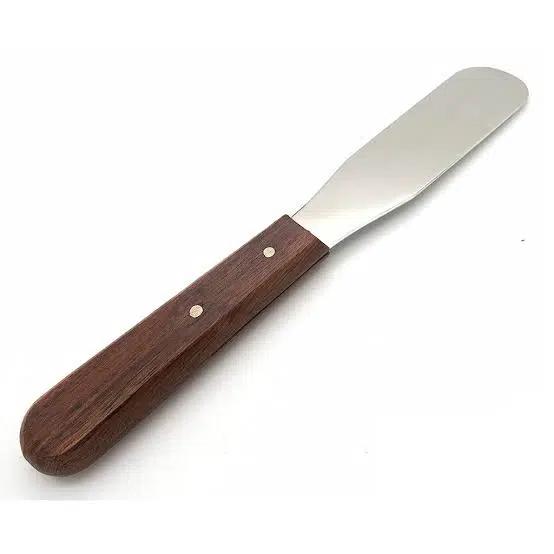
Table of Contents
- The Role of the Plaster Mixing Spatula in Dental Labs
- Material Composition and Blade Integrity
- Ergonomics and Handle Design
- How to Choose the Right Plaster Mixing Spatula
- Blade Shape and Flexibility
- Sourcing Quality Instruments
- Understanding the Plaster Mixing Spatula Price in Pakistan
- Market Factors Influencing Cost
- Balancing Budget and Durability
- Expanding Your Clinic and Lab Inventory
- Essential Ancillary Supplies
- Patient Hygiene and Clinical Safety
- Frequently Asked Questions
- How often should a dental plaster mixing spatula be replaced?
- Can stainless steel spatulas be autoclaved?
- Is there a difference between lab spatulas and clinical cement spatulas?
- Why do some spatulas feature flexible blades while others are rigid?
Navigating the procurement of reliable dental lab accessories requires a clear understanding of current market dynamics, including the variable plaster mixing spatula price in pakistan. For dental practitioners, dental surgeons, and laboratory technicians across Pakistan, selecting the correct hand instruments directly impacts the consistency, quality, and precision of stone models and impressions. Whether you are outfitting a brand-new practice in Lahore or replacing worn instruments in a busy Karachi institutional lab, knowing the material grades, ergonomic profiles, and market valuations is essential for making cost-effective purchasing decisions. At ebiosurgico, we aim to streamline this process by providing transparent guidance on everyday consumables and foundational lab gear.
The Role of the Plaster Mixing Spatula in Dental Labs
The plaster mixing spatula is a fundamental hand instrument used daily in clinical and laboratory settings. Its primary function is the incorporation of dental plaster, dental stone, and impression materials with water to achieve a homogeneous, void-free mix.
Material Composition and Blade Integrity
Dental technicians typically rely on two main material types for mixing bowls and blades: stainless steel and heavy-duty rigid plastics. A premium stainless steel blade offers the rigidity needed to press thick mixes against the walls of a flexible rubber bowl, eliminating air bubbles. Furthermore, high-grade stainless steel resists corrosion from moisture and chemical exposure during routine sterilization cycles.
Ergonomics and Handle Design
The handle design dictates user fatigue levels during prolonged lab sessions. Wooden handles offer a traditional feel and a secure, non-slip grip, though modern labs increasingly favor contoured plastic or fully metallic handles that can withstand autoclave temperatures without degrading. A balanced weight distribution between the blade and handle ensures the technician maintains precise control over the consistency of gypsum products.
How to Choose the Right Plaster Mixing Spatula
Choosing the correct instrument involves evaluating several practical criteria to match your clinic's specific workflow demands.
Blade Shape and Flexibility
Spatula blades come in straight, offset, or tapered configurations. Straight blades are versatile for general bowl mixing, while offset blades allow the technician to reach the bottom corners of deep rubber bowls efficiently. Look for a blade with minimal flex; excessive bending makes working with dense stone mixtures difficult and tires the wrist.
Sourcing Quality Instruments
When stocking your lab, prioritize durability over the absolute lowest upfront cost. A robust Plaster Mixing Spatula constructed from surgical-grade steel will outlast cheaper alternatives, reducing long-term replacement frequency. To build a comprehensive laboratory workstation, practitioners often bundle their core mixing tools alongside other essential diagnostic and surgical backup items, such as a dependable Aspirating Syringe for local anesthesia delivery during restorative procedures.
Understanding the Plaster Mixing Spatula Price in Pakistan
Evaluating equipment expenses requires looking beyond the sticker price to assess overall value and longevity.
Market Factors Influencing Cost
Several variables dictate pricing across local dental markets. Imported instruments crafted from European or Japanese stainless steel command a higher price point due to import duties, raw material quality, and superior finishing standards. Conversely, locally manufactured or regionally imported variants offer budget-friendly alternatives for high-volume student use or general clinic operatory setups.
Balancing Budget and Durability
Investing in a reliable Plaster Mixing Spatula prevents premature bending and blade separation from the handle. When budgeting for your clinic's monthly consumable expenses, consider pairing your heavy-duty lab instruments with daily infection control barriers like X-Ray Sensor Sleeves to maintain strict cross-contamination protocols across all treatment rooms.
Expanding Your Clinic and Lab Inventory
A well-equipped dental clinic requires a balanced inventory spanning diagnostics, restorative finishing, patient comfort, and general operatory maintenance.
Essential Ancillary Supplies
Beyond gypsum handling, daily workflows depend on specialized finishing and patient management items. For instance, achieving smooth restorative margins is detailed further in guides such as Abrasive Finishing Disc Uses in Modern Dentistry, which explores surface contouring techniques. To ensure patient comfort during photographic documentation or intraoral examinations, practitioners frequently utilize Dental Photography Cheek Retractors to maximize visual access while keeping mucosal tissues safely retracted.
Patient Hygiene and Clinical Safety
Comprehensive patient care extends to post-procedural hygiene education and daily infection monitoring. Providing patients with an appropriate Interdental Brush supports optimal periodontal health maintenance between scheduled scaling appointments. Meanwhile, routine clinic safety checks can be streamlined by keeping an Infrared Thermal Gun on hand for non-contact temperature screening at the reception desk.
Frequently Asked Questions
How often should a dental plaster mixing spatula be replaced?
Replacement frequency depends on material quality and usage volume, but stainless steel spatulas typically last for years if inspected regularly for blade thinning, pitting, or handle looseness. Plastic-handled variants should be retired immediately if the handle cracks or separates from the metal tang.
Can stainless steel spatulas be autoclaved?
Yes, high-grade stainless steel spatulas are fully autoclavable and designed to withstand repeated steam sterilization cycles without rusting. Always verify manufacturer guidelines, especially if your model features a specialized wooden or coated handle.
Is there a difference between lab spatulas and clinical cement spatulas?
Yes, laboratory plaster spatulas feature wider, stiffer blades designed to handle large volumes of dense gypsum products. Cement spatulas are smaller, narrower, and typically engineered for mixing small batches of luting cements or composite resins on a glass slab.
Why do some spatulas feature flexible blades while others are rigid?
Rigid blades are preferred for dense plaster and stone mixes because they allow the technician to apply firm pressure against mixing bowl walls. Flexible blades are occasionally used for specific impression materials or light pastes where tactile feedback and gentle scraping are required.
References
- Dental Practice — American Dental Association
- Oral Health Topics — Colgate