
Plaster Mixing Spatula How to Choose: A Practical Guide
Learn how to select the right plaster mixing spatula for your dental clinic or lab with this comprehensive, practitioner-focused buying guide.
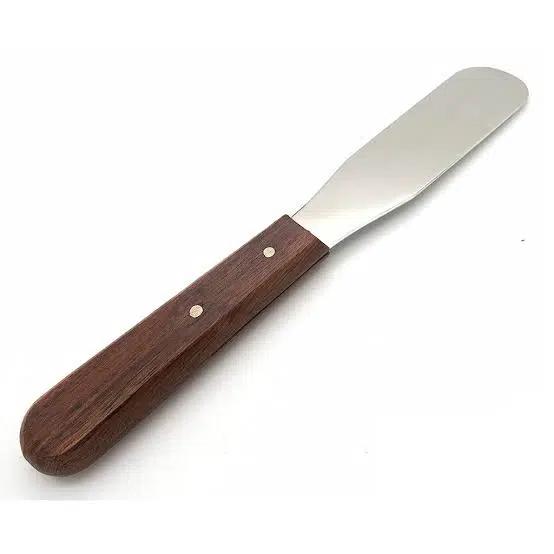
Table of Contents
- Understanding the Anatomy of a Plaster Mixing Spatula
- Blade Shapes and Flexibility
- Handle Materials and Ergonomics
- Key Factors: Plaster Mixing Spatula How to Choose
- Material Grade and Corrosion Resistance
- Handle Grip and Leverage
- Material Options: Stainless Steel vs. Alternative Builds
- Stainless Steel Blades
- Plastic and Composite Options
- Price Range in Pakistan and Market Drivers
- Maintenance and Sterilization Best Practices
- Post-Use Cleaning Protocol
- Sterilization Routines
- Frequently Asked Questions
- Can I use a plaster mixing spatula for alginate impressions?
- How often should a stainless steel spatula be replaced?
- Are wooden handles safe for autoclave sterilization?
- What blade shape is best for dense dental stone?
- Conclusion
When setting up a new dental workspace or restocking lab consumables, understanding plaster mixing spatula how to choose the right model is essential for achieving consistent, bubble-free stone and plaster casts. Dental technicians and clinicians rely on these instruments daily to mix dental stone, plaster, and investment materials accurately. Selecting the correct tool involves evaluating blade stiffness, handle ergonomics, overall length, and material composition. Whether you are pouring diagnostic models in a busy urban clinic or preparing detailed crown and bridge work in a dedicated dental laboratory, having the proper instrument directly impacts the density and surface finish of your final pours. This guide breaks down everything you need to know about selecting, maintaining, and sourcing these indispensable tools in Pakistan.
Understanding the Anatomy of a Plaster Mixing Spatula
A standard mixing instrument consists of two primary components: the working blade and the handle. Each part plays a critical role in how efficiently you can incorporate powder and water without introducing air voids. While the design appears simple, variations in geometry and build quality separate mediocre instruments from professional-grade tools that last for years.
Blade Shapes and Flexibility
The blade is typically made of high-grade stainless steel, featuring either a rounded tip, a square edge, or a tapered profile. A stiff blade is generally preferred for heavy dental stones because it allows the operator to apply substantial force against the rubber mixing bowl walls, crushing unmixed lumps of powder. Conversely, a slightly flexible blade offers better tactile feedback when scraping material from the bowl's curved base. The width and length of the blade must match your standard rubber bowl size; a blade that is too narrow will require excessive strokes, while one that is too wide makes corner work difficult.
Handle Materials and Ergonomics
Handles are manufactured from wood, plastic, or heavy-duty stainless steel. Wooden handles provide a traditional, comfortable grip but can degrade over time if subjected to repeated cold sterilization cycles or prolonged moisture exposure. Plastic handles are lightweight and resistant to chemical disinfectants, though lower-grade polymers may crack under heavy leverage. Stainless steel handles welded seamlessly to the blade offer the highest level of hygiene and durability, ensuring that moisture and gypsum residue cannot penetrate joint crevices. For clinicians interested in streamlining related operatory workflows, pairing your lab setup with an ergonomic Aspirating Syringe ensures consistency across both clinical and laboratory procedures.
Key Factors: Plaster Mixing Spatula How to Choose
When evaluating options for your clinic or lab, several performance parameters should guide your final purchasing decision. Making an informed choice prevents premature replacement costs and ensures smooth daily operations.
Material Grade and Corrosion Resistance
Always look for surgical-grade or food-grade stainless steel (such as AISI 304 or 420). Dental laboratories are high-moisture environments where instruments are constantly exposed to water, gypsum slurries, and harsh cleaning agents. Inferior metals will pit, rust, or stain within weeks of regular use, compromising cleanliness and risking contamination of your mixes. A high-quality Plaster Mixing Spatula will maintain its polished surface finish despite frequent washing and autoclaving.
Handle Grip and Leverage
A good spatula must feel balanced in the hand. The transition from handle to blade should offer sufficient leverage so your wrist does not fatigue during extended mixing sessions. If you frequently prepare multiple full-arch models, a textured or contoured handle prevents slipping when your hands are wet or gloved. Beyond gypsum work, maintaining a well-stocked clinic requires attention to diverse clinical supplies, much like organizing preventive hygiene kits that feature an essential Interdental Brush for patient home care.
Material Options: Stainless Steel vs. Alternative Builds
Material selection dictates longevity, maintenance requirements, and overall performance under load. Understanding these differences helps buyers invest wisely.
Stainless Steel Blades
Stainless steel remains the gold standard for dental laboratories. It provides the rigidity required to compress dense stone mixes and withstands aggressive cleaning with stiff brushes. Furthermore, it can be sterilized via autoclave without warping or losing its structural integrity.
Plastic and Composite Options
While less common for heavy lab stones, composite or reinforced plastic spatulas are sometimes used for mixing impression materials or specialized cements where metal tools might scratch sensitive mixing pads. However, for standard gypsum products, plastic alternatives generally lack the necessary torsional strength.
Price Range in Pakistan and Market Drivers
When sourcing dental equipment locally, pricing varies based on manufacturing origin, material grade, and brand reputation. Premium imported instruments from European or Japanese manufacturers command higher price points due to superior alloy purity, precise edge balancing, and extended warranties. On the other hand, locally manufactured or cost-effective imported options offer budget-friendly alternatives suitable for high-volume student use or general clinic setups. The price in Pakistan is primarily driven by import duties, raw material costs for medical-grade steel, and supply chain logistics. Practitioners should balance upfront expenditure with expected lifespan; investing in a durable Plaster Mixing Spatula often proves more economical than repeatedly replacing low-quality variants that bend or rust. For comprehensive insights into optimizing your consumable budget and tool longevity, review our detailed Abrasive Finishing Disc Buying Guide for Dental Clinics.
Maintenance and Sterilization Best Practices
Proper care extends the service life of your laboratory instruments and ensures a hygienic working environment.
Post-Use Cleaning Protocol
Gypsum products must never be allowed to set completely on the metal surface. Rinse the blade thoroughly under running water immediately after use. If plaster hardens on the metal, use a soft plastic scraper or specialized plaster solvent rather than sharp metal blades that can gouge the stainless steel finish.
Sterilization Routines
Dry your instruments completely before placing them in storage or an autoclave. Routine inspection for pitting or handle loosening ensures that broken fragments never accidentally mix into your gypsum casts. To maintain strict cross-contamination protocols across all operatory procedures, dental teams should also stock reliable personal protective consumables like X-Ray Sensor Sleeves and maintain strict thermal monitoring standards with an Infrared Thermal Gun at the clinic entrance.
Frequently Asked Questions
Can I use a plaster mixing spatula for alginate impressions?
While technically possible, it is not recommended because residual gypsum particles can contaminate impression materials and alter setting times. It is best to use separate, dedicated bowls and spatulas for alginates and stones.
How often should a stainless steel spatula be replaced?
A high-quality stainless steel instrument can last for many years if cleaned and dried properly after every use. Replacement is only necessary if the blade becomes significantly worn, warped, or pitted with rust.
Are wooden handles safe for autoclave sterilization?
Traditional wooden handles generally degrade, crack, or loosen when subjected to repeated high-heat autoclave cycles. If routine autoclaving is required for your practice, choose fully metallic or high-temperature polymer handles.
What blade shape is best for dense dental stone?
A rigid, straight-edged or slightly tapered blade works best for dense stones because it provides the necessary surface area to press and crush powder lumps against the rubber bowl.
Conclusion
Choosing the right mixing instrument is a small detail that significantly impacts daily laboratory efficiency and cast quality. By prioritizing surgical-grade stainless steel, proper handle ergonomics, and robust construction, dental professionals in Pakistan can ensure long-term reliability. Explore our inventory at ebiosurgico to find dependable tools tailored to your practice's needs.
References
- Dental Laboratory Equipment and Materials — National Center for Biotechnology Information
- ADA Oral Health Topics — American Dental Association
- CDC Infection Control in Dental Settings — Centers for Disease Control and Prevention