
Power Chain Elastomeric Price in Pakistan: Buying Guide
Discover current factors affecting power chain elastomeric price in Pakistan and learn how to select reliable orthodontic materials for your clinic.
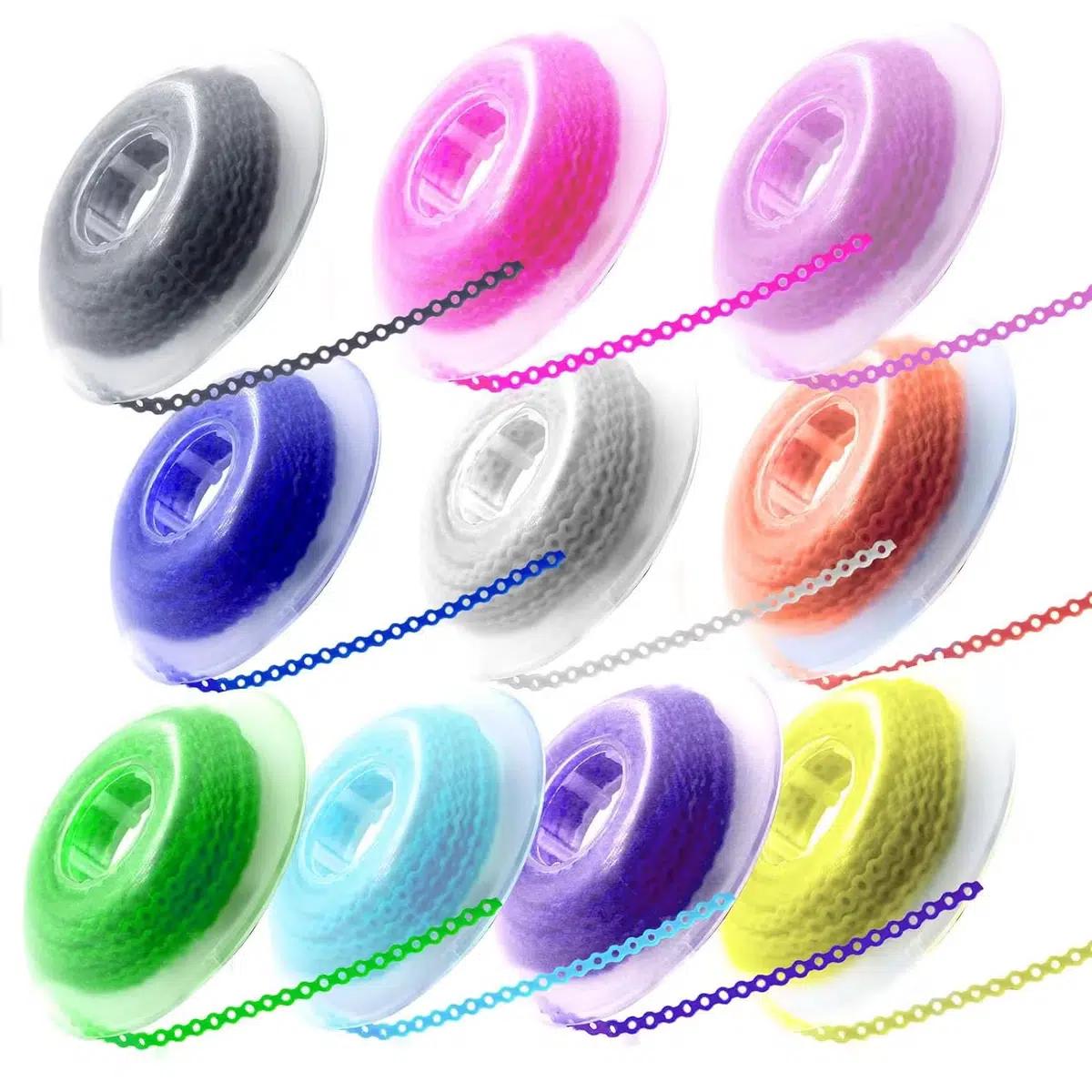
Table of Contents
- Understanding Orthodontic Elastomeric Power Chains
- Material Science and Force Degradation
- Configurations and Spacing Options
- Navigating the Power Chain Elastomeric Price in Pakistan
- Typical Price Ranges and Market Drivers
- Evaluating Cost Versus Clinical Longevity
- How to Choose the Right Elastomeric Chain
- Evaluating Elasticity and Memory
- Resistance to Pigmentation and Staining
- Essential Instruments for Power Chain Placement
- Precision Pliers and Force Measurement
- Workflow Efficiency and Clinic Stock Management
- Frequently Asked Questions
- What is the primary difference between continuous and short-spaced power chains?
- How often should elastomeric power chains be replaced during treatment?
- Do clear power chains stain faster than colored ones?
- Is it more cost-effective to buy power chains in spools or pre-cut lengths?
Understanding the precise power chain elastomeric price in Pakistan is essential for orthodontic practitioners aiming to balance overhead costs with predictable clinical outcomes. Orthodontic treatment relies heavily on continuous, light forces to achieve proper tooth alignment and closure of extraction spaces. Among the most critical components in achieving these mechanics are elastomeric power chains, which apply steady tension across brackets. For clinics and dental laboratories across Pakistan, sourcing durable, resilient elastomeric materials directly impacts treatment timelines and patient satisfaction. This comprehensive purchasing guide examines current market pricing drivers, material varieties, and clinical selection criteria to help dental professionals make informed inventory decisions.
Understanding Orthodontic Elastomeric Power Chains
Elastomeric power chains are continuous loops of polyurethane modules designed to exert consistent orthodontic force. They play an indispensable role in closing interdental spaces, correcting rotations, and stabilizing arches during various phases of fixed appliance therapy. Unlike standard ligature ties, power chains link multiple brackets together, allowing clinicians to apply directional force across a segment of the dental arch.
Material Science and Force Degradation
The physical performance of an elastomeric chain depends largely on its polyurethane formulation. High-quality chains exhibit low initial force relaxation and high memory retention, meaning they maintain a steady pull over several weeks in the oral cavity. However, factors such as salivary enzymes, thermal changes, and oral hygiene habits contribute to force decay. Clinicians must evaluate how different brands handle stretching and environmental exposure to ensure the chosen product performs predictably between adjustment appointments.
Configurations and Spacing Options
Manufacturers typically supply these chains in three standard spacing configurations: continuous (closed), short (mild spacing), and long (wide spacing). The choice of spacing dictates the amount of stretch and the initial force magnitude delivered to the teeth. Keeping a diverse inventory of these configurations allows practitioners to tailor treatment mechanics to individual malocclusions, whether managing minor anterior diastemas or extensive posterior space closure.
Navigating the Power Chain Elastomeric Price in Pakistan
Evaluating the power chain elastomeric price in Pakistan requires looking beyond the initial sticker cost and considering total clinic value. Dental practices across major urban centers like Karachi, Lahore, and Islamabad encounter a wide spectrum of pricing for orthodontic supplies, influenced by global manufacturing standards, material purity, and packaging formats.
Typical Price Ranges and Market Drivers
Prices for elastomeric chains fluctuate based on whether the product is imported from established global orthodontic brands or manufactured locally/regionally. Premium medical-grade polyurethane rolls featuring advanced resistance to staining and rapid force decay sit at the higher end of the pricing spectrum. Conversely, standard-grade chains offer an economical alternative for high-volume clinics. Purchasing items like a reliable Power Chain Elastomeric in bulk spool formats typically reduces the per-patient cost compared to pre-cut dispensers, making bulk procurement a strategic choice for busy practices.
Evaluating Cost Versus Clinical Longevity
Choosing the cheapest available option often results in rapid force degradation, requiring more frequent replacements and longer overall treatment times. Investing in superior elastomeric materials ensures consistent force delivery, reducing chairside adjustments and improving patient comfort. To manage clinic overhead effectively while maintaining clinical standards, many practitioners also source supplementary mechanics like the Intra Oral Elastic (A Star) and the Orthodontic Separator from trusted local suppliers.
How to Choose the Right Elastomeric Chain
Selecting the ideal elastomeric product involves assessing several clinical and logistical parameters to match your practice profile. With numerous options available in the local market, establishing a standardized evaluation protocol ensures consistent treatment quality.
Evaluating Elasticity and Memory
An optimal chain should stretch easily during placement yet retain sufficient elastic memory to pull teeth effectively. When testing samples, look for products that demonstrate smooth recovery upon release without tearing or showing excessive whitening (stress whitening) along the links. High resilience ensures the chain remains active throughout the standard four-week recall interval.
Resistance to Pigmentation and Staining
Patients are increasingly concerned with the aesthetic appearance of their fixed appliances. Elastomeric chains that rapidly absorb stains from dietary sources like coffee, tea, and turmeric can lead to patient dissatisfaction. Opting for stain-resistant, high-clarity polyurethane formulations—especially for clear or light-colored chains—helps maintain an acceptable aesthetic standard throughout the adjustment cycle.
Essential Instruments for Power Chain Placement
Successful application of elastomeric chains requires specialized instrumentation to ensure precise seating without damaging adjacent structures. Incorporating proper tools into your operatory setup streamlines the bonding and ligation phases of treatment.
Precision Pliers and Force Measurement
Using specialized instruments such as the Mathieu Plier with TC Tip allows clinicians to grip and stretch elastomeric modules securely without slipping. For intricate archwire adjustments and bracket positioning, instruments like the Orthodontic Nance Plier offer the necessary control and leverage. Additionally, practitioners can utilize tools such as the Star Gauge to verify measurements and ensure biomechanical accuracy during complex orthodontic setups.
Workflow Efficiency and Clinic Stock Management
Maintaining an organized inventory of orthodontic consumables prevents treatment delays. Pairing your primary stock of Power Chain Elastomeric with complementary restorative and finishing supplies—much like evaluating various Polishing Kits Dental Amalgam Price in Pakistan for post-restorative care—ensures your clinic runs efficiently across all departments. Proper inventory rotation prevents materials from degrading due to prolonged shelf storage or exposure to extreme ambient temperatures.
Frequently Asked Questions
What is the primary difference between continuous and short-spaced power chains?
Continuous power chains feature links with zero space between them, delivering maximum initial force for tight space closure. Short-spaced chains have small gaps between the loops, providing a slightly lower, more gradual force release suitable for moderate adjustments.
How often should elastomeric power chains be replaced during treatment?
Due to natural force relaxation and intraoral degradation from saliva and mastication, power chains should typically be changed every three to four weeks. Replacing them at each regular adjustment appointment ensures consistent biomechanical activity.
Do clear power chains stain faster than colored ones?
Yes, clear and light-colored elastomeric modules are significantly more susceptible to pigmentation from dietary chromogens such as coffee, tea, and curry. Patients should be advised on dietary habits if clear chains are selected for aesthetic reasons.
Is it more cost-effective to buy power chains in spools or pre-cut lengths?
Purchasing power chains in standard spools (usually 15 feet) offers a significantly lower per-patient cost compared to pre-cut dispenser cards. Spools also allow clinicians to cut exact lengths needed for specific arch segments, reducing material waste.
References
- Oral Health - American Dental Association — American Dental Association
- PubMed Central - Orthodontic Mechanics and Materials — National Center for Biotechnology Information
- World Health Organization - Oral Health — World Health Organization
- CDC - Oral Health — Centers for Disease Control and Prevention