
Polishing Kits Dental Amalgam: How to Choose
Discover how to select the right amalgam finishing sets for your clinic with this comprehensive Pakistani dental market purchasing guide.
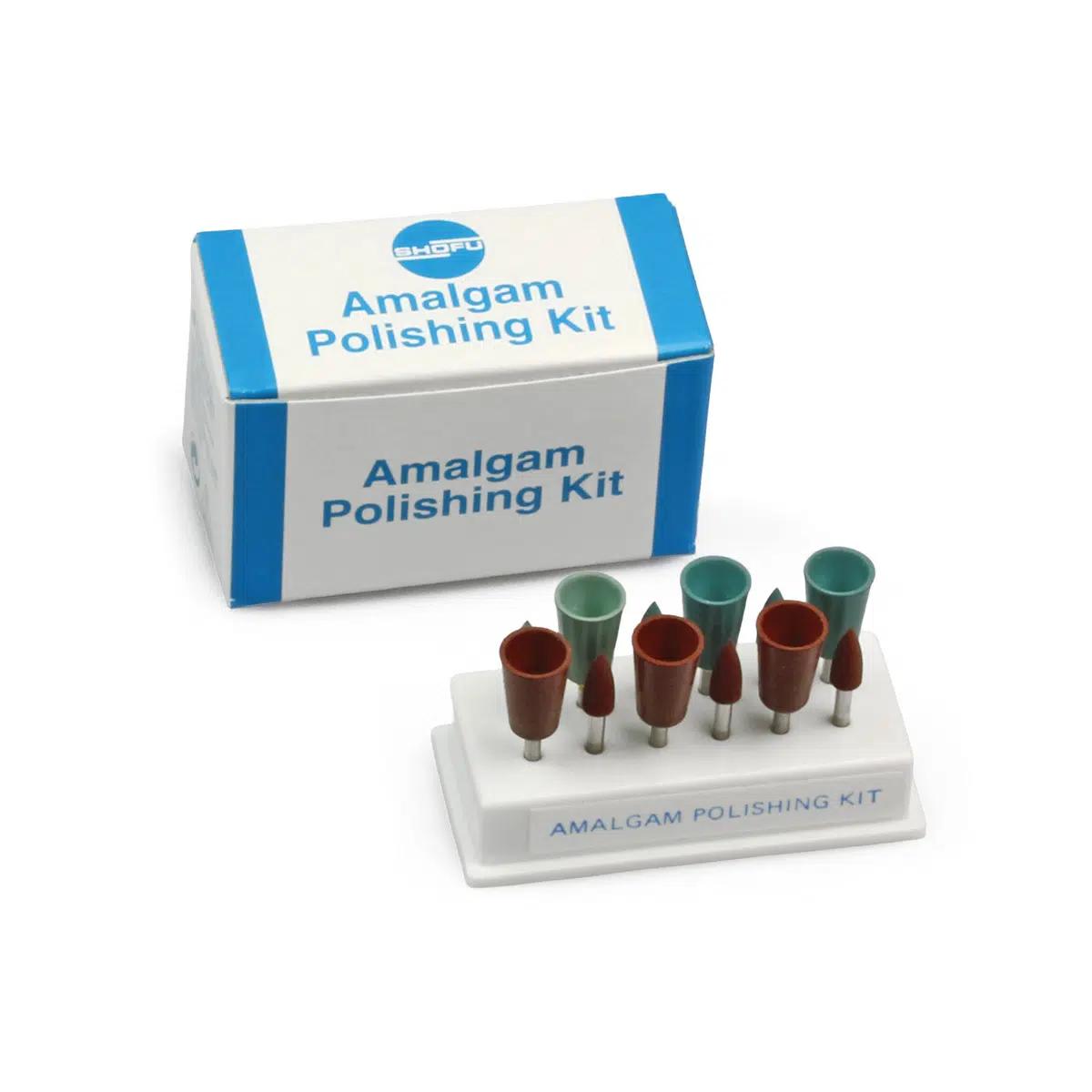
Table of Contents
- Anatomy of an Amalgam Polishing System
- Grit Progression and Instrument Types
- Shape Variations for Different Surfaces
- How to Choose the Right Kit for Your Practice
- Handpiece Compatibility and Shank Design
- Sterilization Durability and Material Quality
- Understanding the Market and Price in Pakistan
- Pricing Tiers and What Drives Cost
- Sourcing and Bulk Purchasing
- Best Practices for Clinical Application and Maintenance
- Step-by-Step Finishing Protocol
- Post-Operative Care and Sterilization
- Frequently Asked Questions
- When can an amalgam restoration be polished?
- Why is water coolant necessary during polishing?
- Can amalgam polishers be autoclaved repeatedly?
- How do I choose between rubber points and carbide burs?
When equipping a dental operatory or clinic in Pakistan, understanding polishing kits dental amalgam how to choose is essential for achieving long-lasting, clinically sound restorations. Although composite resins and ceramic restorations dominate modern aesthetic discussions, silver amalgam restorations remain a staple in many general dental practices due to their durability, stress-bearing capabilities, and cost-effectiveness. However, the longevity and functional success of an amalgam restoration depend heavily on proper contouring, finishing, and polishing. A poorly finished amalgam surface accumulates plaque more rapidly, exhibits accelerated corrosion, and increases the risk of marginal breakdown or secondary caries. Investing in reliable Polishing Kits Dental Amalgam ensures that practitioners can smooth rough margins, reduce surface roughness, and create a high-luster finish that resists tarnish over time. In this comprehensive buying guide, we explore the core components of these kits, abrasive grit sequences, critical selection criteria, market dynamics in Pakistan, and practical maintenance tips for your clinic's inventory.
Anatomy of an Amalgam Polishing System
To appreciate why choosing the right kit matters, clinicians must understand the physical instruments and materials included within a standard multi-stage polishing set. Unlike single-use burs, comprehensive polishing kits are designed for sequential use over multiple patient visits or sterilization cycles.
Grit Progression and Instrument Types
Most high-quality clinical sets feature a systematic progression from coarse reduction to fine polishing. The process typically begins with carbide finishing burs or green stone points to remove bulk excess, refine contours, and adjust occlusion. Following initial contouring, rubber cups, points, and integrated impregnated discs take over. These rubberized instruments contain embedded abrasive particles—such as silicon carbide or aluminum oxide—bonded within a synthetic rubber matrix. Coarser, darker-colored points handle early smoothing, while lighter-colored, finer points or diamond-impregnated cups deliver a mirror-like shine.
Shape Variations for Different Surfaces
An effective kit must accommodate varied tooth morphologies. Bullet-shaped points work well for occlusal grooves and fossae, flame-shaped instruments reach interproximal and lingual contours, and cup-shaped polishers conform smoothly to buccal and lingual convexities. Having a diverse assortment of shapes ensures that clinicians can adapt to Class I, II, and V preparations without gouging surrounding enamel or flattening natural cuspal inclines.
How to Choose the Right Kit for Your Practice
Selecting the ideal set requires balancing clinical preferences, chairside efficiency, and compatibility with existing clinic handpieces. When evaluating available options, procurement officers and practitioners should consider several operational parameters.
Handpiece Compatibility and Shank Design
Before finalizing a purchase, verify whether your clinic relies primarily on slow-speed contra-angle pneumatic handpieces or electric motors. Most polishers feature standard latch-type (RA) shanks designed for contra-angle attachments. Ensure the retention mechanism of your handpiece grips the shanks securely without wobbling at high rotational speeds, which can cause instrument fracture or patient discomfort. Additionally, consult complementary clinical aids like the Acrylic Shade Guide when organizing your overall restorative tray setups, ensuring clear separation between direct restorative materials.
Sterilization Durability and Material Quality
Dental instruments in Pakistan undergo rigorous daily autoclave cycles. Therefore, select kits featuring autoclavable silicone or rubber polishers that withstand repeated steam heat without degrading, cracking, or shedding abrasive particles. Metal shanks should be constructed from corrosion-resistant stainless steel to prevent rust staining during reprocessing. For related endodontic and restorative procedures, keeping items like GP Solvent nearby helps maintain a clean, organized workspace.
Understanding the Market and Price in Pakistan
Navigating dental supply markets across major cities like Lahore, Karachi, and Islamabad involves understanding pricing structures and quality tiers. Clinics can find a wide array of imported and locally sourced materials.
Pricing Tiers and What Drives Cost
The market price for these clinical sets varies based on brand reputation, country of origin, instrument count per kit, and sterilization resilience. Economy kits manufactured locally or imported from budget-friendly international manufacturers offer basic multi-step functionality suitable for high-volume teaching hospitals and community dental camps. Premium kits from renowned European, Japanese, or American dental brands command higher prices due to advanced bonding technology, superior silicon carbide grit distribution, and extended operational lifespans. Furthermore, distribution overhead, import duties, and currency fluctuations heavily influence final retail rates across local medical markets.
Sourcing and Bulk Purchasing
When stocking multiple operatories, purchasing complete systems rather than individual replacement burs often yields better unit economics. Ensure your supplier provides clear documentation regarding autoclave limits and recommended RPM (rotations per minute) thresholds. To complement your clinical inventory, you may also want to review specialized guides such as the Power Chain Elastomeric Price in Pakistan: Buying Guide to understand broader orthodontic and restorative market pricing trends.
Best Practices for Clinical Application and Maintenance
Proper technique and instrument maintenance maximize the value of your clinical investment while ensuring optimal patient safety and comfort.
Step-by-Step Finishing Protocol
Amalgam polishing should never be performed immediately after condensation; manufacturers typically recommend waiting at least 24 hours to allow the material to achieve sufficient initial compressive strength. Begin with light, intermittent pressure using water coolant to prevent frictional heat generation, which can draw free mercury to the surface and compromise the restoration's marginal integrity. Progress systematically from medium to fine abrasives, wiping away debris between steps. To maintain a calm and cooperative environment during detailed finishing work, utilizing supportive accessories such as Mouth Props helps prevent patient jaw fatigue.
Post-Operative Care and Sterilization
After each clinical procedure, scrub polishers thoroughly to remove amalgam debris and organic matter before placing them in sterilization pouches. Avoid harsh chemical disinfectants that corrode metal shanks or degrade the elastomeric bonding matrix. For smooth surface adjustments during adjacent procedures, practitioners frequently rely on instruments like the Dental Fox Plane alongside precision items such as an Abrasive Finishing Disc to achieve precise anatomical contours.
Frequently Asked Questions
When can an amalgam restoration be polished?
Amalgam restorations should generally be polished at least 24 hours after placement to allow the material to set fully and develop adequate early strength. Polishing too early can fracture margins and disrupt crystal matrix formation. For best results, schedule a dedicated follow-up appointment for final finishing and high-luster polishing.
Why is water coolant necessary during polishing?
Water spray prevents frictional heat buildup caused by rotational friction against the metal alloy. Excessive heat can cause free mercury to migrate to the surface, weakening the restoration and potentially harming adjacent pulpal tissues. Always maintain a wet field and use light, intermittent pressure.
Can amalgam polishers be autoclaved repeatedly?
High-quality silicone and rubber polishers are designed to withstand standard steam autoclaving cycles multiple times. Always check the manufacturer's specific instructions regarding maximum temperature thresholds and recommended holding times. Discard any instruments that show surface cracking, hardening, or abrasive shedding.
How do I choose between rubber points and carbide burs?
Carbide burs and green stones are utilized initially for bulk reduction, anatomical contouring, and major occlusal adjustments. Rubber points and cups impregnated with abrasives are subsequently used for smoothing and high-luster polishing. A complete clinical protocol combines both tool types in a sequential workflow.
References
- Dental amalgam - Mayo Clinic — Mayo Clinic
- Dental Amalgam - CDC — CDC
- Amalgam Fillings - MouthHealthy — ADA
- PubMed Search on Dental Amalgam Polishing — PubMed