
Power Chain Elastomeric Buying Guide for Dental Clinics
Explore material properties, spool sizes, and clinical considerations in this definitive power chain elastomeric buying guide for modern clinics.
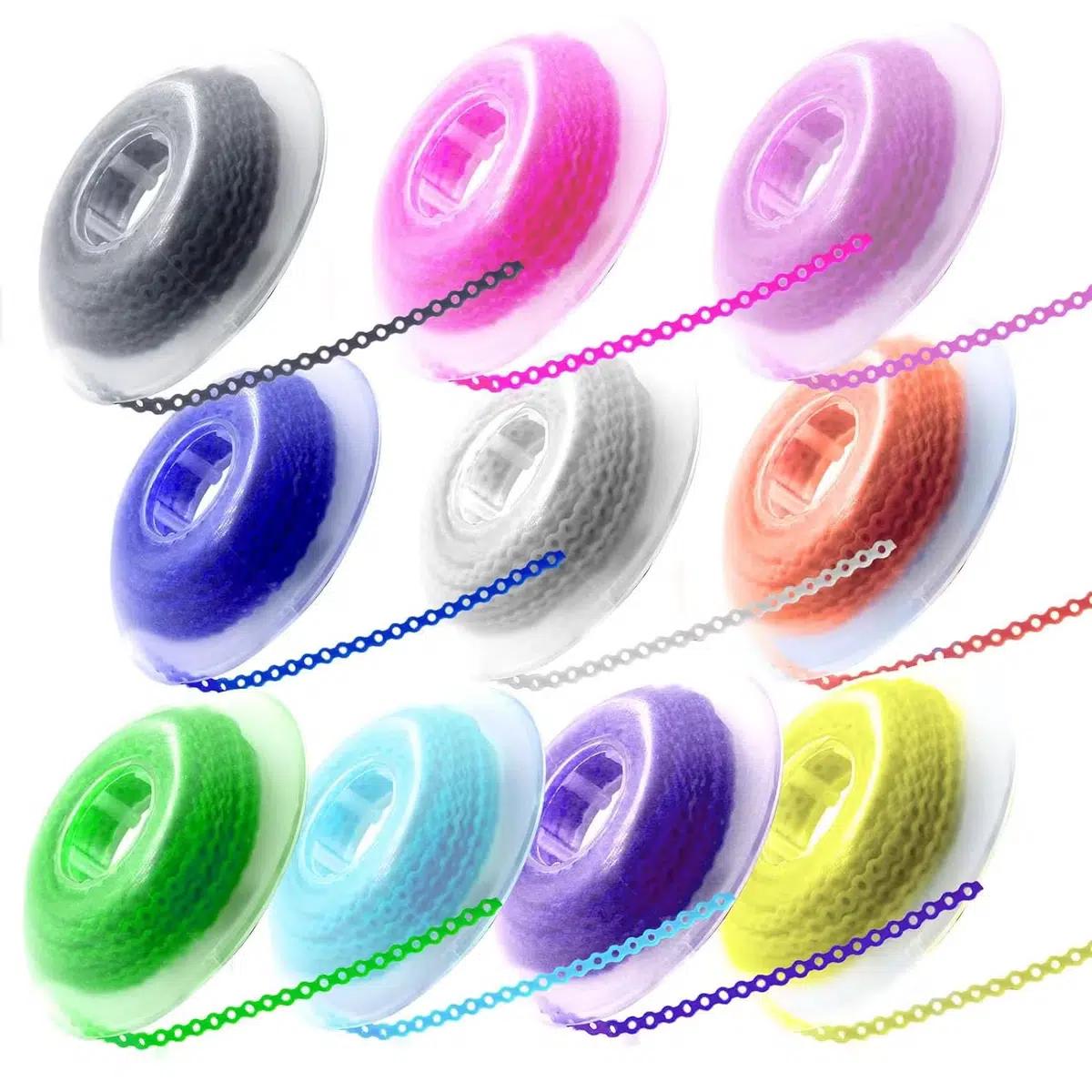
Table of Contents
- Understanding Elastomeric Power Chains
- Material Composition and Mechanics
- Configurations and Spacing
- Clinical Applications in Orthodontics
- Space Closure and Diastema Reduction
- Rotational Control and Midline Correction
- How to Choose the Right Power Chain
- Evaluating Force Decay and Elasticity
- Color Stability and Patient Aesthetics
- Dispensing Formats: Spools vs. Pre-cut Modules
- Price in Pakistan
- Market Pricing Overview
- Factors Influencing Cost
- Frequently Asked Questions
- How often should elastomeric power chains be replaced?
- Are power chains safe for patients with latex allergies?
- What is the difference between closed and long power chains?
- How can clinicians prevent staining on clear power chains?
Welcome to this comprehensive power chain elastomeric buying guide, designed to help orthodontic practitioners, clinic owners, and dental procurement managers make informed purchasing decisions. Elastomeric power chains remain one of the most dynamic and frequently utilized components in fixed appliance therapy, playing a critical role in space closure, rotational control, and arch integrity maintenance. Selecting the right elastomeric material requires an understanding of force decay rates, elasticity, color stability, and patient-specific needs. Whether you are outfitting a newly established orthodontic practice in Lahore or restocking consumables for a busy multi-chair hospital department in Karachi, evaluating your supply chain options ensures reliable clinical outcomes and efficient inventory management.
Understanding Elastomeric Power Chains
Material Composition and Mechanics
Modern power chains are manufactured from medical-grade polyurethane or high-quality elastomeric polymers. These materials are engineered to deliver a continuous, gentle force as they stretch from bracket to bracket. Unlike metal ligatures or passive tie-backs, an elastomeric Power Chain Elastomeric stores energy when elongated, gradually releasing that energy over time to move teeth through bone remodeling. The physical properties of these polymers dictate how they behave in the dynamic, moisture-rich environment of the human oral cavity.
Configurations and Spacing
Manufacturers typically offer power chains in three primary spacing configurations: closed (continuous loops with no intervening space), short (slight spacing between loops, often called short spacing), and long (wide spacing between loops). The choice of configuration depends directly on the clinical objective. Closed chains are ideal for continuous space closure across multiple teeth, while long chains might be selected when spanning larger gaps or engaging non-adjacent brackets. Practitioners should evaluate their patient demographic to stock a balanced inventory of these variations.
Clinical Applications in Orthodontics
Space Closure and Diastema Reduction
The primary indication for elastomeric chains is the closure of extraction spaces, generalized spacing, and midline diastemas. When placed under tension, the continuous pull helps approximate adjacent roots and crowns predictably. To complement your space-closure toolkit, you may also utilize an Intra Oral Elastic (A Star) for interarch mechanics and vector adjustments during finishing stages. Proper placement technique ensures that the force vector remains parallel to the occlusal plane, minimizing unwanted tipping of the teeth adjacent to the space.
Rotational Control and Midline Correction
Beyond simple linear space closure, power chains are frequently engaged in asymmetric patterns to correct dental rotations or shift dental midlines. By tying across specific wings of a bracket, the clinician can generate a couple force system that rotates misaligned teeth back into alignment. Successful mechanics often rely on precise measurement of archwire dimensions and bracket positioning, tasks that are made easier when utilizing a reliable Star Gauge to verify inter-bracket distances and symmetry before chain placement.
How to Choose the Right Power Chain
Evaluating Force Decay and Elasticity
All elastomeric materials experience force decay—the gradual loss of elastic recovery over time due to saliva exposure, masticatory forces, and thermal changes. When selecting products for your clinic, look for materials treated with advanced anti-aging or low-hysteresis formulas that maintain a higher percentage of their initial force delivery past the three-week mark. High-quality chains retain their memory longer, reducing the frequency of emergency appointments for premature force loss.
Color Stability and Patient Aesthetics
Patients undergoing orthodontic treatment are increasingly concerned with esthetics, particularly adult professionals and teenagers. Traditional clear and light gray chains are susceptible to staining from dietary chromogens such as coffee, tea, turmeric, and tobacco. Premium polyurethane chains feature stain-resistant coatings that resist discoloration between adjustment visits. For patients who prefer vibrant looks, pigmented or metallic silver chains retain their hue exceptionally well throughout the activation cycle.
Dispensing Formats: Spools vs. Pre-cut Modules
Power chains are generally supplied in two primary packaging formats: continuous spools (typically 15 feet) and pre-cut modules or cards. Spools offer high economic value and allow the clinician to cut the exact number of links required for a specific arch, minimizing waste. Pre-cut modules, on the other hand, offer convenience and chairside efficiency, reducing the risk of contamination during hectic clinic hours.
Price in Pakistan
Market Pricing Overview
In the Pakistani dental market, the cost of orthodontic elastomers varies based on brand reputation, manufacturing origin, spool length, and material grade. Local clinics can source economical imported spools from regional suppliers, while premium brands manufactured in North America, Europe, or specialized Asian facilities command a higher price point due to superior force retention and color stability. Purchasing bulk spools generally lowers the per-patient cost compared to buying individual pre-cut card packs.
Factors Influencing Cost
Several variables dictate pricing fluctuations across medical marketplaces. First, import duties, customs regulations, and currency exchange rate volatility directly impact the landed cost of foreign dental goods. Second, polymer purity plays a major role; medical-grade polyurethane resists degradation significantly better than industrial-grade alternatives, making it more expensive to produce. Additionally, specialty items such as latex-free formulations or highly pigmented neon colors may carry a minor price premium. For clinics balancing various supply expenses, understanding material value is just as important as managing ancillary material costs, much like budgeting for specialized restoratives as covered in our guide on SND Zinc Oxide Eugenol Cement Type 2 Price in Pakistan.
Frequently Asked Questions
How often should elastomeric power chains be replaced?
Power chains typically undergo significant force decay within three to four weeks of intraoral placement. Consequently, clinicians generally remove and replace old chains at every regular adjustment appointment to maintain continuous, effective orthodontic force levels.
Are power chains safe for patients with latex allergies?
Most modern power chains are manufactured from medical-grade polyurethane rather than natural rubber latex, making them inherently hypoallergenic. However, practitioners should always verify the manufacturer specifications on the packaging to ensure the product is 100% latex-free before treating sensitive patients.
What is the difference between closed and long power chains?
Closed power chains feature loops that touch directly with no intervening space, delivering high initial force concentration ideal for tight space closure. Long power chains have visible spacing between each loop, making them more flexible and better suited for spanning longer distances or applying lighter forces.
How can clinicians prevent staining on clear power chains?
To minimize discoloration, patients should be advised to avoid heavily pigmented foods and beverages such as curry, coffee, and dark sodas between visits. Clinicians can also select high-grade stain-resistant polyurethane power chains that maintain their clarity longer under normal dietary conditions.
References
- Orthodontic Treatment - Mayo Clinic — Mayo Clinic
- PubMed Central - Search — NCBI
- PubMed - Search — PubMed
- Oral Health Topics - American Dental Association — ADA