
Polishing Kits Dental Amalgam Buying Guide
Discover how to choose the right tools for finishing silver restorations with this comprehensive polishing kits dental amalgam buying guide.
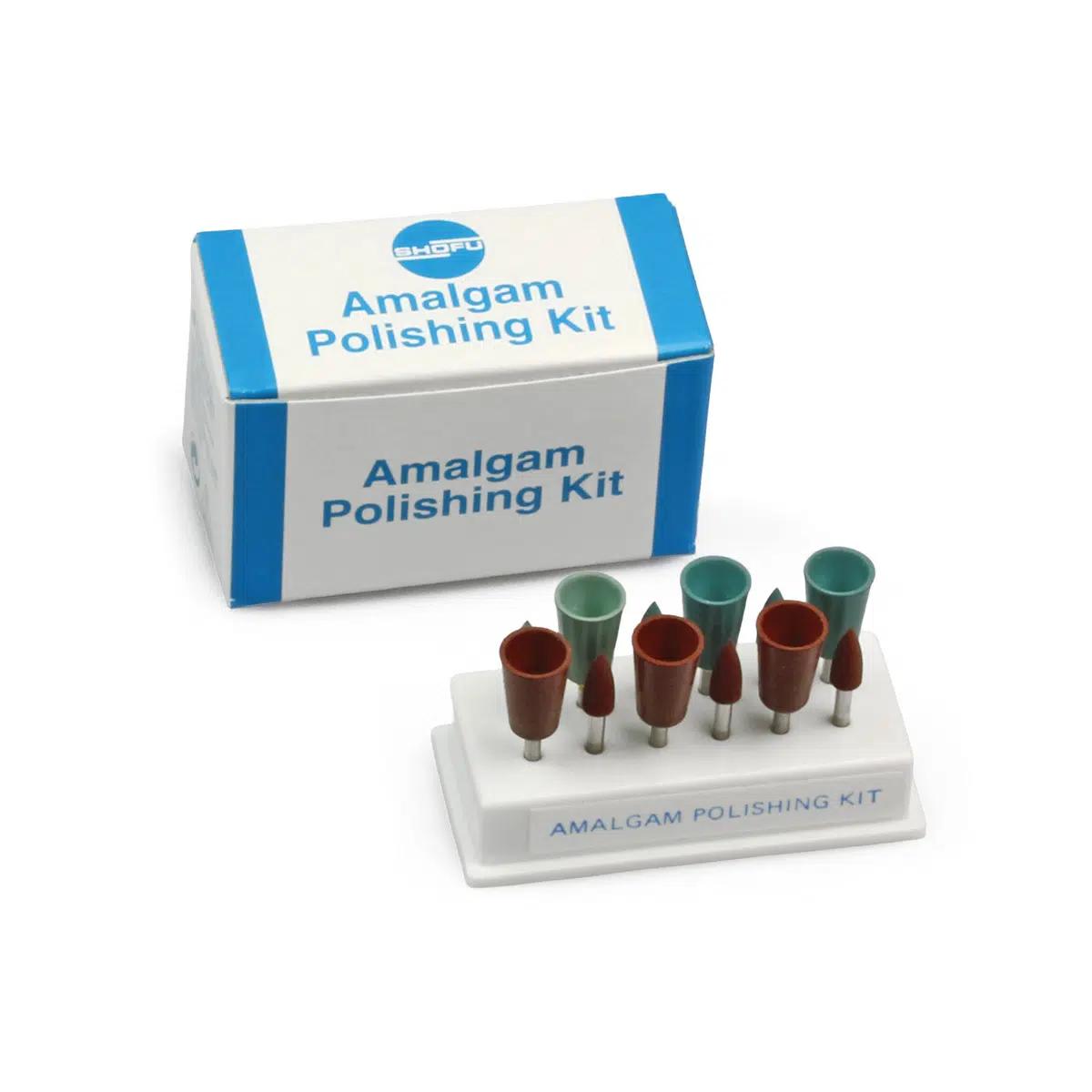
Table of Contents
- Understanding Amalgam Polishing Systems
- The Multi-Step Finishing Sequence
- Material Composition and Instrument Types
- How to Choose the Right Kit
- Compatibility and Shank Types
- Durability and Sterilization Resistance
- Price in Pakistan
- Typical Price Ranges and What Drives Them
- Sourcing and Procurement Considerations
- Best Practices for Clinical Application
- Managing Heat Generation
- Timing and Post-Operative Care
- Frequently Asked Questions
- Can I use composite polishing discs on silver amalgam restorations?
- How many times can silicone polishers be autoclaved?
- Why is a multi-step sequence necessary for amalgam finishing?
- What speed setting should be used on the low-speed handpiece?
Welcome to the ultimate polishing kits dental amalgam buying guide designed specifically for dental practitioners, clinic managers, and laboratory technicians across Pakistan. While modern restorative dentistry relies heavily on composite resins and ceramics, silver amalgam restorations remain a staple in many clinical settings due to their durability, longevity, and cost-effectiveness. However, the success of an amalgam restoration is heavily dependent on proper contouring, finishing, and polishing. An unpolished or rough amalgam surface is more susceptible to tarnish, corrosion, and marginal breakdown over time. Achieving a smooth, mirror-like finish requires a systematic approach using specialized rotary instruments. Whether you are stocking a newly established operatory or restocking consumables for a busy public hospital department, understanding the nuances of these finishing systems is essential for long-term clinical success. As clinics streamline their instrument inventories alongside accessories like Mouth Props for patient comfort during long procedures, selecting reliable finishing supplies remains a top priority. In this guide, we will explore the different components of amalgam finishing systems, key selection criteria, maintenance protocols, and prevailing market realities in Pakistan.
Understanding Amalgam Polishing Systems
Amalgam polishing is rarely achieved with a single instrument. Instead, it involves a multi-step sequential process designed to transition the rough restoration surface into a highly polished, plaque-resistant plane. Most comprehensive setups feature a combination of carbide burs, silicone points, cups, and polishing brushes.
The Multi-Step Finishing Sequence
To achieve optimal results, clinicians generally follow a progressive grit sequence. The initial stage involves removing excess material and refining the anatomical contours using multi-fluted carbide finishing burs. Once the anatomy is properly established—often verified using diagnostic tools such as the Dental Fox Plane for occlusal harmony—the clinician transitions to medium-grit silicone points or cups. These intermediate instruments smooth out surface scratches left by the burs. Finally, fine and superfine impregnated silicone polishers or bristle brushes with polishing paste bring the restoration to a high luster. Skipping steps in this sequence often leads to microscopic surface defects that compromise the integrity of the restoration.
Material Composition and Instrument Types
Modern kits typically incorporate aluminum oxide or silicon carbide impregnated into a synthetic rubber or silicone matrix. This design ensures that abrasive particles are continuously exposed as the instrument wears down, providing consistent performance throughout its lifespan. Some practitioners also utilize flexible discs, similar to an Abrasive Finishing Disc used in composite work, though specially shaped rubber points are generally preferred for deep occlusal grooves and sulci found on posterior amalgam restorations.
How to Choose the Right Kit
Selecting the appropriate polishing set for your practice depends on several operational and clinical factors. With numerous options available on the market, evaluating your specific workflow can save both time and money.
Compatibility and Shank Types
Always verify the shank type included in the packaging. Most standard kits are designed for contra-angle low-speed handpieces (RA shank), which offer optimal torque and speed control necessary to prevent frictional heat generation during polishing. Some laboratory-focused sets may feature HP (handpiece) shanks. Ensuring compatibility with your existing operatory motors is vital before making a purchase. For a reliable, all-in-one solution that covers standard clinical needs, procurement officers frequently turn to Polishing Kits Dental Amalgam available on our platform.
Durability and Sterilization Resistance
Quality matters significantly when dealing with rotary instruments. Look for kits where the silicone polishers and burs can withstand repeated autoclaving without degrading, losing their abrasive efficiency, or shedding particles. Autoclavable plastic or metal bur blocks included in the kit add immense value by streamlining sterilization workflows between patients. Additionally, for clinics managing diverse restorative workflows, keeping specialized items like GP Solvent nearby ensures that your operatory remains fully equipped for endodontic and restorative emergencies alike.
Price in Pakistan
Navigating the dental market in Pakistan requires an understanding of how pricing structures operate for imported and locally sourced consumables. The cost of these finishing sets varies widely based on several distinct factors.
Typical Price Ranges and What Drives Them
Prices generally fluctuate depending on the brand of origin, the number of pieces included in the set, and the quality of the bonding matrix. Entry-level imported sets from regional manufacturers tend to be budget-friendly, making them attractive for high-volume dental colleges and teaching hospitals. Conversely, premium German, Japanese, or Swiss-manufactured sets command a higher price point due to superior silicone elasticity, longer working lifespans, and finer abrasive distribution that minimizes the risk of ditching or overheating the restoration. Furthermore, fluctuating import tariffs, shipping logistics, and currency exchange rates play a major role in final retail pricing across local dental depots.
Sourcing and Procurement Considerations
When purchasing through online medical marketplaces like Polishing Kits Dental Amalgam, clinics can easily compare specifications, piece counts, and packaging details before committing funds. Bulk purchasing for institutional setups often unlocks tiered discounts, reducing the per-unit cost for multi-chair practices. Practitioners should also keep in mind related clinical documentation and color-matching accessories, drawing parallels from specialized workflows such as those detailed in the Clinical Guide to Power Chain Elastomeric Uses in Orthodontics when standardizing clinic protocols.
Best Practices for Clinical Application
Proper technique is just as important as the quality of the instruments you purchase. Improper handling can ruin an otherwise well-condensed restoration.
Managing Heat Generation
Amalgam is a good thermal conductor, and excessive frictional heat generated during high-speed polishing can bring free mercury to the surface, weakening the restoration and potentially harming the adjacent pulp. Always use light, intermittent pressure accompanied by a steady water spray or air-water coolant. Never run dry polishers at high RPMs.
Timing and Post-Operative Care
Traditional silver amalgam requires sufficient time to set before it can be polished. While initial carving can be done immediately, traditional polishing is typically deferred for at least 24 hours to 48 hours to allow the material to achieve adequate compressive strength. High-copper spherical amalgams may allow for earlier finishing, but adherence to manufacturer guidelines ensures optimal surface longevity.
Frequently Asked Questions
Can I use composite polishing discs on silver amalgam restorations?
While certain abrasive discs can shape amalgam margins, they lack the multi-dimensional contours required for deep occlusal anatomy. Dedicated rubber points and cups designed specifically for metal restorations yield far superior adaptation in grooves and pits.
How many times can silicone polishers be autoclaved?
High-grade silicone polishers can typically withstand multiple autoclave cycles without losing structural integrity. Discard the instrument immediately if you notice tearing, cracking, or a significant drop in polishing efficiency.
Why is a multi-step sequence necessary for amalgam finishing?
Skipping intermediate grits leaves microscopic scratches that trap plaque and accelerate corrosion. Progressing systematically from coarse carbide burs to fine silicone points ensures a smooth, durable, and tarnish-resistant surface.
What speed setting should be used on the low-speed handpiece?
Amalgam polishing should always be performed at low speeds with adequate water coolant to prevent overheating. Excessive rotational speed generates friction that can damage the pulp and compromise the marginal seal of the restoration.
References
- Dental amalgam: an overview — PubMed Central
- Oral Health Topics: Dental Amalgam — American Dental Association