
Power Chain Elastomeric: How to Choose for Your Clinic
Master power chain elastomeric how to choose with this practical buying guide for Pakistani dental clinics and orthodontic practices.
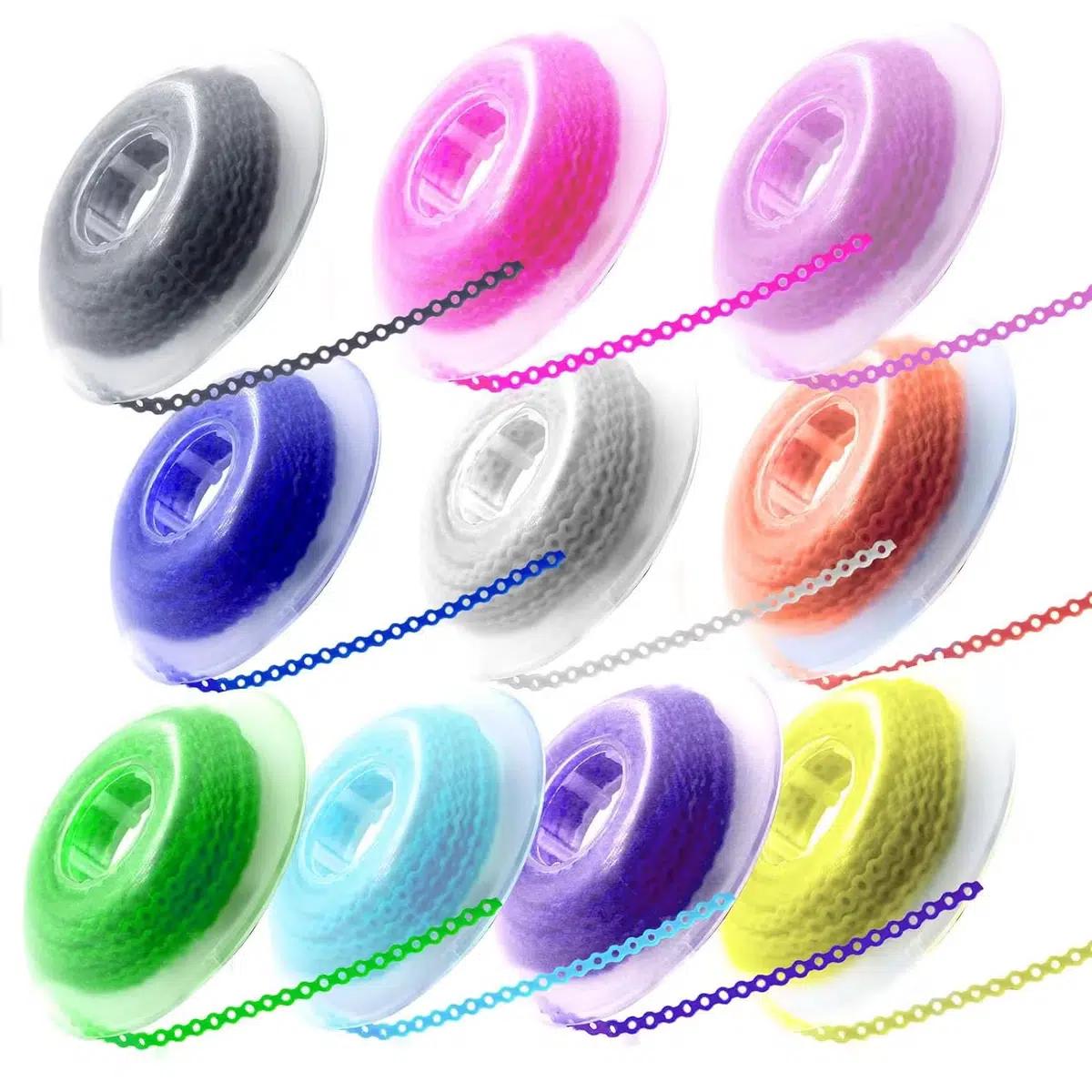
Table of Contents
- Understanding Orthodontic Elastomeric Power Chains
- Material Composition and Degradation
- Configuration Types: Continuous, Short, and Long
- How to Choose the Right Power Chain for Your Case
- Force Levels and Degradation Profiles
- Color Stability and Aesthetic Demands
- Application Techniques and Clinical Handling
- Armamentarium and Placement Tools
- Storing and Dispensing Spools
- Price in Pakistan and Sourcing Considerations
- What Drives the Cost?
- Evaluating Value and Quality
- Frequently Asked Questions
- How often should power chains be changed during treatment?
- Do clear power chains stain easily with local foods?
- What is the difference between closed and open power chains?
- How should unused spools of elastomeric chain be stored?
Navigating the nuances of orthodontic consumables is a daily task for practitioners, making power chain elastomeric how to choose a vital question for clinic efficiency and patient outcomes. When stocking an orthodontic practice or a dental laboratory in Pakistan, clinicians often face a dizzying array of options regarding force levels, lengths, spacing, and polymer composition. Selecting the correct elastomeric power chain directly influences tooth movement velocity, patient comfort, and the overall predictability of space closure phases. Whether you are closing minor diastemas, consolidating arches, or managing complex extractions, understanding the material science behind these ligatures ensures optimal clinical results. In this guide, we break down everything you need to know to evaluate, select, and source high-grade elastomeric power chains for your daily practice.
Understanding Orthodontic Elastomeric Power Chains
Elastomeric power chains are continuous loops of polyurethane or synthetic elastomers used in fixed appliance therapy. Unlike single elastomeric ties that simply secure archwires into bracket slots, power chains apply continuous, active forces across multiple teeth to facilitate sliding mechanics, derotation, and space closure.
Material Composition and Degradation
Modern power chains are predominantly manufactured from medical-grade polyurethane. This material offers a favorable balance of high tensile strength, elasticity, and biocompatibility within the moist oral environment. However, polyurethanes are susceptible to stress relaxation and hydrolytic degradation. Once stretched over brackets, the polymer chains undergo permanent deformation over time, leading to a steady decay in force delivery. Understanding this degradation curve is essential for scheduling timely patient recalls and maintaining continuous biological tooth movement without causing root resorption.
Configuration Types: Continuous, Short, and Long
Manufacturers supply power chains in three primary spatial configurations based on the distance between loop centers:
- Continuous (Closed): Loops are directly touching with no intervening space, generating high initial forces ideal for complete, tight space closure across multiple adjacent teeth.
- Short: Features a modest spacing between loops, balancing force magnitude with enough stretch to accommodate minor rotations or slight arch irregularities.
- Long (Wide): Features wider gaps between consecutive loops, reducing the initial force vector and making it suitable for engaging widely spaced teeth or transitioning from lighter forces.
To ensure your operatory is fully equipped for archwire management, it is wise to pair your inventory with accessories like the Orthodontic Separator to create adequate proximal space before band placement, or keep Intra Oral Elastic (A Star) on hand for intermaxillary corrections during finishing stages.
How to Choose the Right Power Chain for Your Case
When evaluating a Power Chain Elastomeric for a specific patient, clinicians must weigh several biomechanical and practical factors to ensure maximum clinical efficacy.
Force Levels and Degradation Profiles
Always review the manufacturer's recommended force decay chart. High-force chains can accelerate initial space closure but often result in rapid force loss within the first week, followed by a long tail of very low force. Low-force or gentle-force elastomers maintain a steadier, more physiological release curve, reducing patient discomfort and minimizing hyalinization of the periodontal ligament. When precision measurements are required to evaluate arch dimensions or verify tooth position during mechanics, utilizing a Star Gauge helps practitioners accurately quantify overjet, overbite, or inter-bracket distances.
Color Stability and Aesthetic Demands
Adult orthodontic patients frequently demand high aesthetic standards, leading to a preference for clear or pearl-colored elastomeric modules. However, unpigmented polyurethanes are notoriously prone to staining from dietary chromogens such as tea, coffee, turmeric, and curry—all common staples in local Pakistani cuisine. Silver-gray and gray chains offer superior color stability and blend well with metallic brackets, whereas clear chains should be reserved for patients with strict dietary discipline or aesthetic-conscious ceramic bracket setups. For complex loop-bending adjustments that complement your sliding mechanics, clinicians often rely on a sturdy Orthodontic Nance Plier to fabricate transpalatal arches or auxiliary springs.
Application Techniques and Clinical Handling
Proper placement technique maximizes the clinical lifespan of the elastomeric chain and prevents premature failure or slippage.
Armamentarium and Placement Tools
Placing a power chain efficiently requires the right instruments to stretch the polyurethane loops without nicking or tearing the material. Specialized pliers with fine, secure tips allow the clinician to grip and guide the chain smoothly from molar tubes to canine hooks. For secure seating and ligation maneuvers during these procedures, using a precision Mathieu Plier with TC Tip grants exceptional control and firm locking action. Furthermore, practitioners looking to optimize their operatory workflow should review broader finishing protocols, much like the insights shared in our Polishing Kits Dental Amalgam Buying Guide regarding surface finishing and material longevity.
Storing and Dispensing Spools
Elastomeric power chains are sensitive to environmental conditions. Ultraviolet light, high humidity, and extreme heat can accelerate polymer breakdown while still on the shelf. Always store spools in cool, dark, dry environments, preferably in airtight containers away from direct sunlight. Dispense only what is needed for the active chairside procedure and discard any excess stretched material to maintain clinical standards.
Price in Pakistan and Sourcing Considerations
When purchasing orthodontic supplies within the Pakistani dental market, clinics encounter a wide spectrum of pricing driven by material origin, spool length, and brand reputation.
What Drives the Cost?
Premium imported elastomeric chains from established international orthodontic brands typically command higher prices due to strict quality control, advanced color-fast additives, and precise force calibration. Conversely, economical bulk spools offer lower per-patient costs but may exhibit faster force decay or higher susceptibility to staining. Clinics must weigh patient turnover rates against shelf-life to avoid unnecessary waste.
Evaluating Value and Quality
Investing in reliable orthodontic consumables ensures fewer emergency appointments for snapped chains or lost elasticity. Sourcing from reputable local dental marketplaces guarantees consistent batch quality and reliable delivery timelines for busy practices across Karachi, Lahore, Islamabad, and beyond.
Frequently Asked Questions
How often should power chains be changed during treatment?
Power chains generally lose a significant portion of their initial force within two to four weeks of intraoral exposure. Therefore, clinicians typically replace or reactivate the Power Chain Elastomeric during routine 4-week adjustment visits to maintain consistent, active tooth movement.
Do clear power chains stain easily with local foods?
Yes, unpigmented polyurethane chains readily absorb pigments from common staining agents like turmeric, tea, and coffee. Patients desiring a stain-resistant option are better suited with gray or silver chains, or must be counseled on dietary restrictions.
What is the difference between closed and open power chains?
Closed chains feature contiguous loops designed for maximum force application and rapid space closure across multiple teeth. Open or short chains have gaps that allow for lighter force application and easier engagement around individual bracket tie-wings.
How should unused spools of elastomeric chain be stored?
Unused spools should be kept in a cool, dark, and dry environment away from direct sunlight and heat sources. Storing them in sealed containers protects the polyurethane polymer from humidity and UV degradation before clinical use.