
Mouth Props Uses in Modern Dental Clinics and Labs
Discover essential mouth props uses in dentistry, including patient comfort, isolation, and safe long procedures.
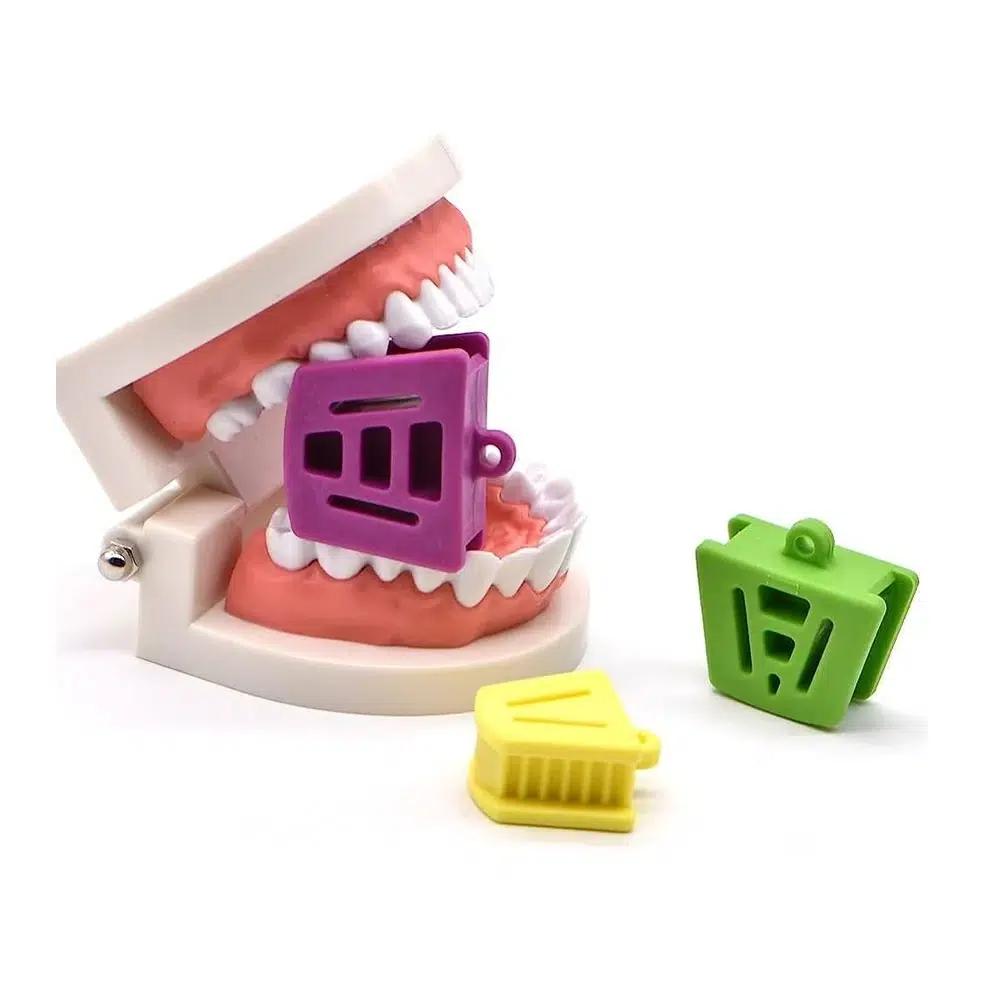
Table of Contents
- The Role of Mouth Props in Patient Comfort and Safety
- Preventing Muscle Fatigue and TMJ Strain
- Enhancing Access and Visibility
- Common Clinical Applications and Procedures
- Restorative Dentistry and Endodontics
- Pediatric and Special Care Dentistry
- Types of Mouth Props Available in Dentistry
- Ratchet and Screw-Type Props
- Wedge and Block Props (Molt and McKesson)
- How to Choose the Right Mouth Props for Your Practice
- Mouth Props Price in Pakistan
- Frequently Asked Questions
- Why are safety tethers attached to mouth props?
- Can mouth props be used on patients with TMJ disorders?
- How should silicone and rubber mouth props be sterilized?
- How often should dental mouth props be replaced?
Understanding mouth props uses is fundamental for maintaining efficient workflow, patient safety, and optimal access during restorative and surgical dental procedures. In busy dental clinics and dental laboratories across Pakistan, clinicians rely on dependable instruments to keep the oral cavity open without causing muscle fatigue or patient distress. When a patient holds their mouth open manually for an extended period, jaw muscles tire quickly, leading to involuntary closure that interrupts clinical steps. Mouth props alleviate this issue completely, acting as a stable physical barrier between the maxillary and mandibular arches. While mastering basic jaw separation is straightforward, integrating high-grade devices into your daily setup ensures consistent results whether you are performing endodontic treatment, composite restorations, or taking precise impressions. At ebiosurgico, we provide reliable options such as MOUTH PROPS designed to withstand repeated autoclaving and mechanical stress.
The Role of Mouth Props in Patient Comfort and Safety
Preventing Muscle Fatigue and TMJ Strain
Extended dental treatments require patients to keep their mouths open wide, which places significant strain on the temporomandibular joint (TMJ) and surrounding masticatory muscles. Without mechanical support, patients often experience cramping, soreness, or even acute TMJ locking. Mouth props maintain a gentle, consistent opening that respects the physiological limits of the jaw joint. This prevents involuntary closure, which can damage rotary instruments or compromise moisture control. When selecting your instruments, similar to how a clinician chooses precision tools like a Dental Wax Carver: How to Choose the Right Instrument, paying attention to ergonomic comfort makes a tangible difference in overall chairside efficiency.
Enhancing Access and Visibility
Clear visibility is paramount for precision dentistry. By keeping the cheeks, lips, and tongue gently retracted and separated from the working field, mouth props allow the operator to view posterior quadrants directly. Improved visibility reduces chair time, minimizes operator eye strain, and lowers the margin of error during fine procedural steps. Whether you are prepping a molar for a crown or finishing a restoration with an ABRASIVE FINISHING DISC, having an unobstructed view of the operating site is non-negotiable.
Common Clinical Applications and Procedures
Restorative Dentistry and Endodontics
In restorative procedures, maintaining a dry field is crucial for adhesive bonding and composite longevity. Mouth props work synergistically with rubber dam isolation systems to keep the posterior teeth accessible and dry. During root canal therapy, where access to canals in the maxillary and mandibular second or third molars can be exceptionally challenging, a properly placed prop ensures the patient remains stable. Clinicians often pair these supportive steps with efficient chemical adjuncts like GP SOLVENT when clearing out old gutta-percha during retreatment cases.
Pediatric and Special Care Dentistry
Treating pediatric patients or individuals with special needs presents unique behavioral and physical challenges. Sudden jaw movements can compromise the safety of sharp hand instruments or high-speed handpieces. Autoclavable rubber or silicone bite blocks provide a secure, cushioned stop that reassures both the practitioner and the patient. In addition to props, managing comprehensive crown and bridge cases smoothly requires complementary diagnostic aids like an ACRYLIC SHADE GUIDE to match tooth shades accurately under steady working conditions.
Types of Mouth Props Available in Dentistry
Ratchet and Screw-Type Props
Adjustable ratchet or screw-type props, often made of surgical-grade stainless steel, allow the operator to incrementally increase or decrease the degree of jaw opening. These devices are particularly useful during prolonged surgical extractions or procedures under general anesthesia or heavy sedation. They lock securely in place, giving the operator complete control over the vertical dimension during surgery.
Wedge and Block Props (Molt and McKesson)
Wedge-style rubber or silicone blocks, such as traditional Molt mouth props or disposable rubber wedges, are popular for routine chairside use. They are easy to insert on the opposite side of the arch being treated. To ensure maximum safety and infection control compliance, clinics must stock durable MOUTH PROPS that can withstand routine thermal disinfection without degrading or losing their structural resilience.
How to Choose the Right Mouth Props for Your Practice
Selecting the ideal mouth props for your clinic involves evaluating material composition, sterilizability, patient comfort, and size variety.
- Material and Sterilization: Opt for medical-grade silicone, rubber, or high-grade stainless steel. They must tolerate repeated autoclave cycles without cracking, rusting, or warping.
- Size Range: Dental arches vary significantly between pediatric patients, adolescents, and adults. Ensure your inventory includes multiple sizes (small, medium, large) to accommodate different patient anatomies comfortably.
- Design and Tethering: For safety, choose props that feature a hole or loop for a safety floss tie or tether chain. This prevents accidental aspiration or swallowing if the patient coughs or suddenly shifts.
- Radiopacity: In certain clinical scenarios, radiopaque materials are preferred to ensure visibility on diagnostic radiographs if accidental displacement occurs.
Mouth Props Price in Pakistan
Dental clinics and laboratories in Pakistan source their instruments through specialized medical marketplaces where pricing varies based on several distinct factors.
- Material Quality: Stainless steel ratchet props generally command a higher price point than single-unit silicone wedges due to complex mechanical assemblies and raw material costs.
- Brand and Manufacturing Origin: Imported German or Korean stainless steel instruments represent a higher investment compared to locally manufactured or standard imported silicone blocks.
- Packaging and Quantity: Purchasing multi-packs of silicone bite blocks often offers better per-unit value for high-volume clinics than buying individual pieces.
At ebiosurgico, we list diverse options matching various clinic budgets. Practitioners can also find complementary laboratory and chairside accessories such as a DENTAL FOX PLANE for occlusal analysis or POLISHING KITS DENTAL AMALGAM to round out their clinical inventory efficiently.
Frequently Asked Questions
Why are safety tethers attached to mouth props?
Safety tethers, typically made of dental floss or a chain secured to the prop, prevent the device from being accidentally aspirated or swallowed by the patient. If the patient coughs, sneezes, or experiences a sudden muscle spasm, the tether allows the dental assistant to retrieve the prop instantly from the oral cavity.
Can mouth props be used on patients with TMJ disorders?
Care must be taken when using mechanical props on patients with active temporomandibular joint disorders. Excessive opening can exacerbate joint pain or induce locking, so clinicians should select the smallest effective opening and monitor the patient closely throughout the procedure.
How should silicone and rubber mouth props be sterilized?
Most professional-grade silicone and rubber props are fully autoclavable and should be processed according to the manufacturer's recommended temperature and pressure guidelines. Always inspect them for wear, tears, or surface degradation before and after each sterilization cycle.
How often should dental mouth props be replaced?
Stainless steel ratchet props last for years if properly cleaned and lubricated, but silicone and rubber wedges should be inspected regularly. Discard any rubber or silicone prop that shows surface cracking, hardening, loss of elasticity, or permanent deformation.
References
- Dental safety and instruments overview — American Dental Association
- Oral health topics and patient care — MouthHealthy
- Infection control in dental settings — Centers for Disease Control and Prevention