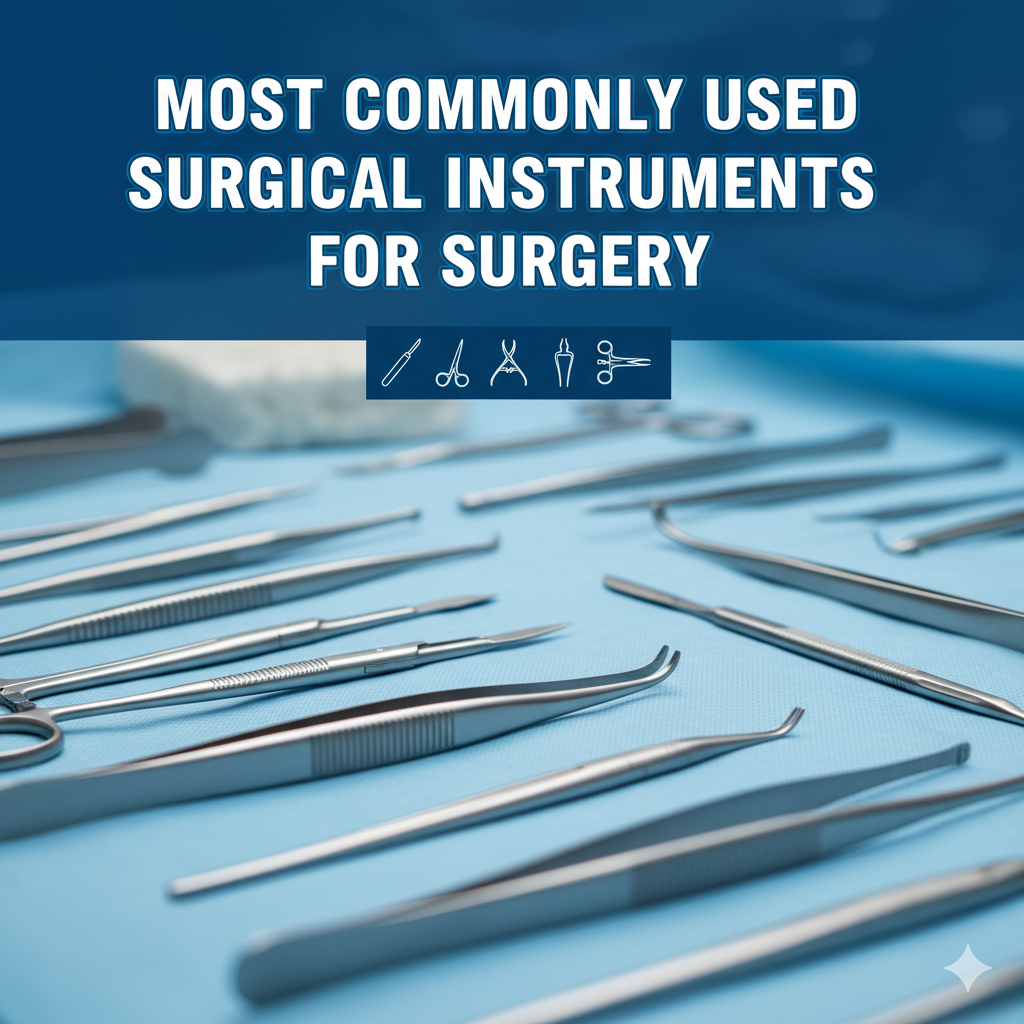
Surgical instruments are essential tools in the medical field, playing an integral role in ensuring that surgeries are performed with precision and care. Whether it’s a routine procedure or a complex surgery, these instruments allow healthcare professionals to perform a wide range of operations effectively. As an online platform dedicated to medical equipment, Ebiosurgico understands the importance of providing high-quality, reliable surgical instruments that meet the demands of modern healthcare.
In this article, we will take an in-depth look at the most commonly used surgical instruments, their functions, and their significance in various medical procedures. Whether you’re a healthcare professional or someone curious about surgical tools, this guide will help you understand the critical role that surgical instruments play in saving lives and improving patient outcomes.
Understanding Surgical Instruments
Surgical instruments are a broad category of specialized tools designed for performing medical procedures. These instruments are used to manipulate tissue, cut, dissect, grasp, hold, or suture, among other tasks. Each surgical instrument is designed with a specific function in mind, depending on the type of surgery being performed.
The proper selection and use of surgical instruments are crucial, as they can directly affect the success of the surgery and the well-being of the patient. High-quality, durable, and ergonomic tools are essential in minimizing complications, reducing surgical time, and ensuring better recovery outcomes for patients.
Categories of Surgical Instruments
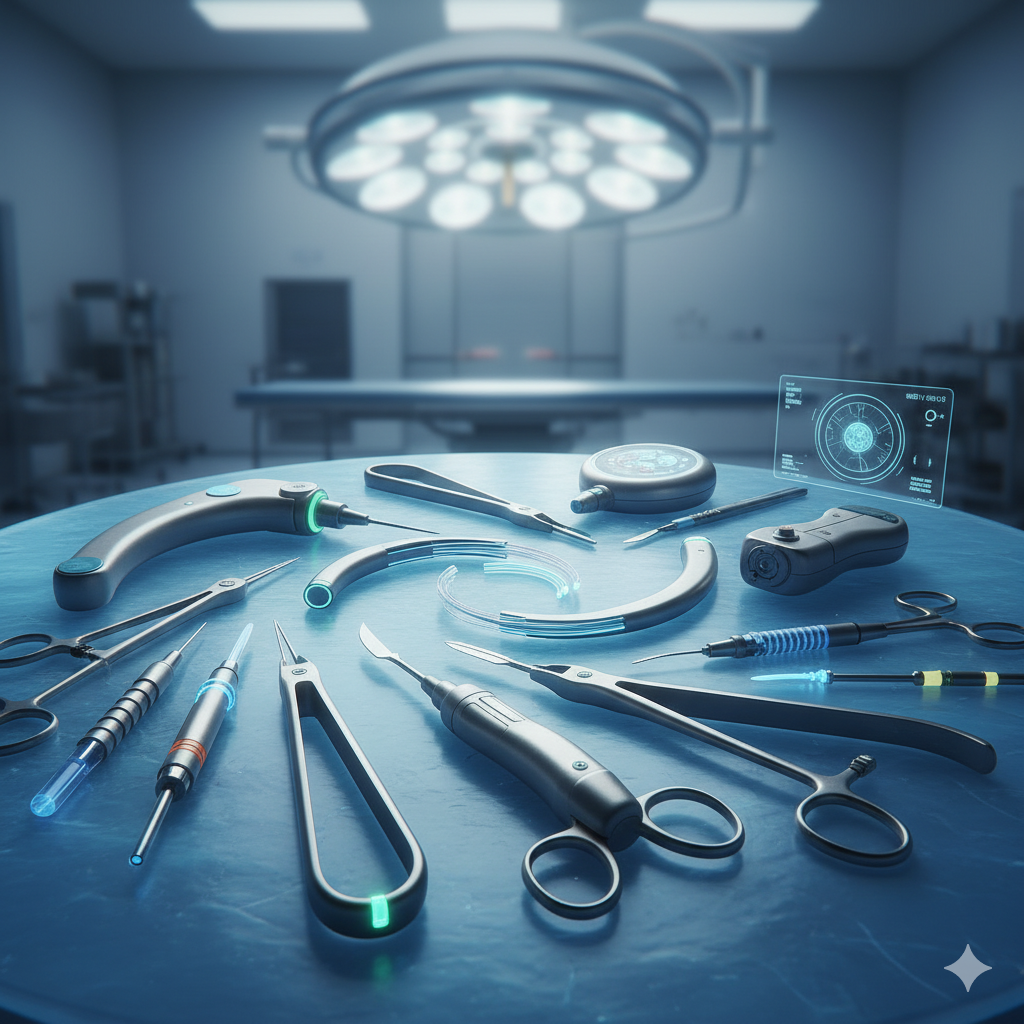
Surgical instruments can be broadly categorized into the following types:
- Cutting Instruments – Used for cutting or incising tissues.
- Grasping and Holding Instruments – Used to hold tissues, organs, or other structures.
- Clamping Instruments – Used to clamp or stop the flow of blood in vessels.
- Suturing Instruments – Used to stitch tissues or wounds closed.
- Retracting Instruments – Used to hold back or pull aside tissues to give the surgeon better visibility and access.
- Suction Instruments – Used to clear fluids, blood, or debris from the surgical site.
- Electrosurgical Instruments – Used for cutting, coagulating, or cauterizing tissue with electrical currents.
- Diagnostic Instruments – Used to visualize and diagnose the condition of internal organs before surgery.
Each category of instrument serves a specific purpose and is chosen according to the needs of the procedure and the surgeon’s preferences.
1. Cutting Instruments
Cutting instruments are perhaps the most essential in any surgery, as they are used to make incisions or cut through tissues, organs, or other body structures. These tools must be extremely sharp, durable, and precision-engineered to minimize tissue damage and promote faster recovery.
Scalpels
A scalpel is a small, sharp knife used for making precise and clean incisions in the skin and tissues. Scalpels are typically used for initial incisions or when cutting through delicate tissue. The blades of scalpels are usually disposable and come in a variety of sizes to suit different surgical needs. The most commonly used scalpel blade is the No. 10 blade, which is ideal for making large incisions.
Types of Scalpel Blades:
- No. 10: Often used for general surgery.
- No. 11: Suitable for making small, precise incisions.
- No. 15: Commonly used for delicate surgeries, such as eye surgeries.
Surgical Scissors
Surgical scissors are specialized instruments used to cut tissues, sutures, and other materials. They come in various shapes, including straight and curved blades, depending on the surgical procedure. For instance, curved scissors are used for cutting tissues in deeper or more confined areas, while straight scissors are typically used for superficial cuts.
Types of Surgical Scissors:
- Mayo Scissors: Used for cutting heavy tissue.
- Metzenbaum Scissors: Ideal for cutting delicate tissues.
- Iris Scissors: Used for fine and delicate dissection.
Surgical Knives
Surgical knives, or scalpel blades, are essential tools for cutting through tissues during surgery. While scalpels are small and typically used for initial incisions, surgical knives can be used for deeper cuts and for dissecting larger tissue masses. These knives are equipped with handles and specialized blades designed to provide maximum control during the procedure.
2. Grasping and Holding Instruments
Grasping and holding instruments are designed to secure tissues, organs, or vessels during surgery, allowing the surgeon to manipulate the tissues without causing unnecessary harm. These tools also help surgeons maintain better control and precision during procedures.
Forceps
Forceps are multi-purpose instruments used to grasp, hold, or manipulate tissues, blood vessels, or other materials during surgery. They come in a variety of designs to cater to different needs, such as tissue forceps, artery forceps, and dressing forceps.
Types of Forceps:
- Tissue Forceps: Used for holding soft tissues.
- Artery Forceps: Designed to clamp blood vessels or tissues.
- Hemostatic Forceps: Used to control bleeding by clamping vessels.
Needle Holders
Needle holders are essential tools for holding needles while suturing tissue. They come with a locking mechanism to securely hold the needle during stitching, allowing the surgeon to focus on suturing the wound with precision.
Clamps
Clamps are surgical tools used to clamp tissues or blood vessels, often to control bleeding during surgeries. Hemostatic clamps are specifically designed to stop the flow of blood and are particularly useful during major surgeries where blood loss can be a concern.
Common Types of Clamps:
- Hemostats: Used to stop bleeding by clamping blood vessels.
- Bowman Clamps: Used in delicate surgeries.
- Kelly Clamps: Often used to clamp blood vessels and other tissues during surgery.
3. Suturing Instruments
Suturing instruments are used to close incisions or wounds after a surgical procedure. These tools are vital for promoting proper healing and reducing the risk of infection.
Suture Needles
Suture needles are specifically designed to penetrate tissues and carry sutures to close surgical incisions. These needles come in different shapes and sizes, with the round-bodied needle being used for soft tissues and cutting needles for tougher tissues.
Suture Scissors
Suture scissors are used for cutting through stitches once a wound is closed. These scissors are designed with one sharp blade and one flat, hook-shaped blade to allow precise cutting of sutures without damaging the surrounding tissues.
4. Retracting Instruments
Retracting instruments are critical for providing better visibility and access to the surgical area by pulling back or holding aside tissues, muscles, and organs. These tools help expose deeper areas of the body for surgical procedures.
Handheld Retractors
Handheld retractors are manually held by the surgical team to pull back tissues, enabling the surgeon to access deeper tissues. These retractors are essential during many types of surgeries, from abdominal procedures to orthopedic surgeries.
Self-Retaining Retractors
Self-retaining retractors are designed to hold tissues open automatically, freeing up the surgeon’s hands to perform the surgery. These are particularly useful for longer procedures where the surgical area needs to be held open for extended periods.
5. Suction Instruments
During surgery, it is essential to maintain a clear view of the surgical area by removing blood, fluids, and debris. These instruments are used for this purpose and play a vital role in keeping the surgical field sterile.
Suction Tips
Suction tips are used to remove blood and fluids during surgery. They are connected to a suction device and are designed to fit into tight spaces to clear out fluids without disturbing surrounding tissues.
Suction Tubes
Suction tubes are used to evacuate fluids from larger areas. The suction machine creates a vacuum that draws fluids through the tubes, helping to maintain a clean and sterile surgical environment.
6. Electrosurgical Instruments
Electrosurgical instruments use electrical energy to cut, coagulate, or cauterize tissue. These tools are particularly useful for controlling bleeding and minimizing damage to surrounding tissues.
Electrocautery
Electrocautery tools use a heated wire or probe to cut through tissue or coagulate blood vessels, thereby reducing bleeding and tissue damage. This technology is widely used in delicate surgeries such as eye, ENT, and spinal operations.
Diathermy
Diathermy involves the use of high-frequency electrical currents to generate heat, which can help to coagulate tissue, stop bleeding, or destroy unwanted tissue. Its the most commonly used in orthopedic and abdominal surgeries.
7. Diagnostic Instruments
Diagnostic instruments are used before and during surgery to diagnose conditions, visualize internal structures, and guide surgical decisions.
Endoscopes
Endoscopes are long, flexible tubes with cameras that allow surgeons to visualize the inside of the body without making large incisions. Endoscopic procedures, such as laparoscopy, are less invasive and offer faster recovery times for patients.
Scopes (Bronchoscopes, Colonoscopes, etc.)
Scopes, such as bronchoscopes for lung examination and colonoscopy scopes for inspecting the colon, are used to diagnose and treat conditions in hard-to-reach areas of the body. These diagnostic tools can also be used for biopsy and removal of abnormal tissue.
Conclusion
Surgical instruments are the backbone of modern medicine, and their proper use and care are critical for the success of any surgery. At Ebiosurgico, we understand the significance of quality surgical tools in ensuring the best outcomes for both surgeons and patients. We provide a wide range of high-quality surgical instruments tailored to meet the needs of various medical specialties.
Why Choose Ebiosurgico?
At Ebiosurgico, we are committed to offering premium medical equipment and surgical instruments that guarantee reliability, durability, and precision. Whether you need tools for routine procedures or specialized surgeries, we offer an extensive selection that caters to your needs. Our easy-to-use online platform allows you to browse and purchase instruments from the comfort of your home, ensuring your surgical needs are met without delay.
Explore our comprehensive range of surgical instruments today and make the right choice for your practice with Ebiosurgico.